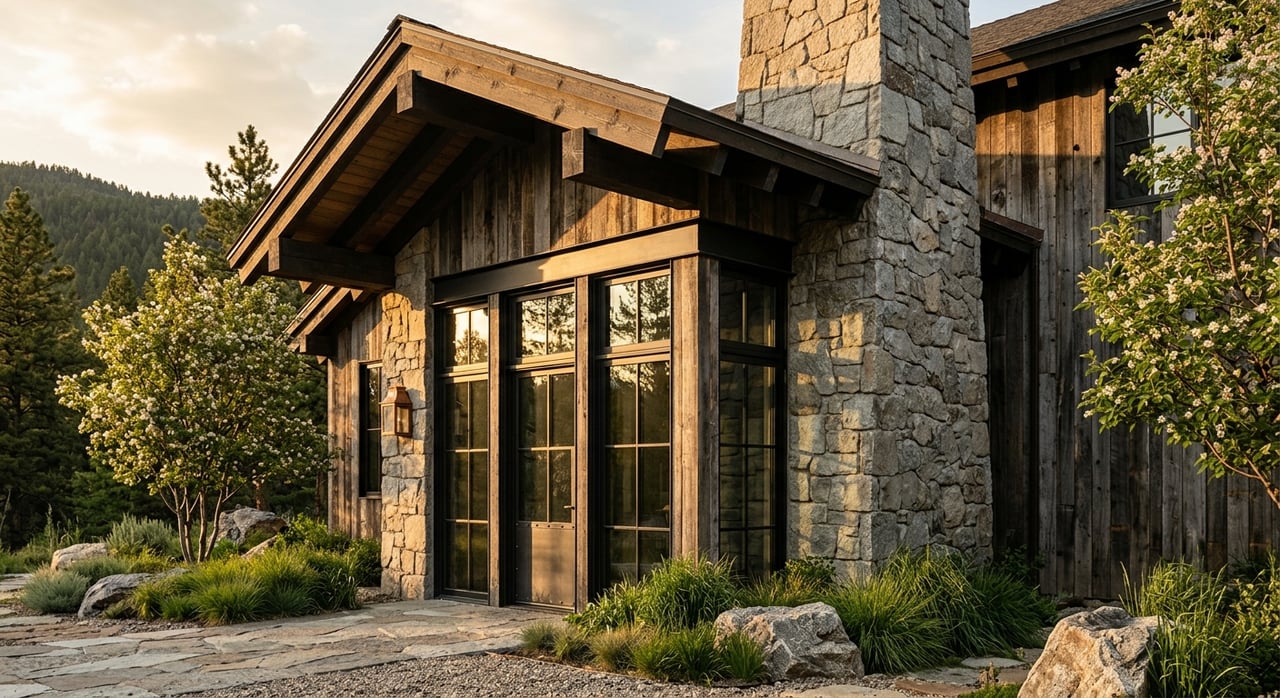
If you are thinking about building a custom home in South Bozeman, the house itself is only part of the decision. The real complexity often starts with the land, the approval path, and the timing of every step that happens before construction begins. When you understand those moving pieces early, you can protect your budget, avoid delays, and make better decisions from day one. Let’s dive in.
Start With the Parcel
In South Bozeman, one of the first questions is whether a property sits inside Bozeman city limits or in Gallatin County. That single detail can change the permit path, review process, and code standards that apply to your build. Bozeman’s updated Unified Development Code was adopted on December 16, 2025, and took effect February 1, 2026, and the city notes that your design should match the code cycle in effect when your permit is submitted. You can review that framework through the Bozeman Unified Development Code update page.
Outside city limits, Gallatin County requires land use permits in all zoning districts, and building permits for projects outside Bozeman and Belgrade are handled by the Montana state building department rather than the county. That means a south-side parcel with a Bozeman mailing address may still follow a very different approval path than you expect. The county’s zoning regulations resource is a useful starting point when comparing land options.
Check zoning before pricing plans
Before you fall in love with a floor plan, confirm what the lot allows. In south-side areas, zoning can affect density, minimum lot width, minimum lot area, access, and whether the parcel is in a special district or subdivision with added design standards.
This matters because the site often shapes the house more than buyers expect. A plan that works beautifully on one parcel may need major changes on another because of setbacks, access, slope, or district-specific rules.
Review plats and covenants early
Gallatin County advises buyers to review recorded plats and covenants with the Clerk and Recorder. That step is not just paperwork. According to the county’s subdivision guidance, covenants may address construction standards, HOA obligations, common-area maintenance, noxious weeds, and shared facilities.
In practice, covenants can affect design, landscaping, timelines, and future maintenance expectations. If you wait until after closing to read them closely, you may find limits that should have shaped your purchase decision.
Plan for Permits and Utilities
Once you have the right parcel, the next phase is understanding what must be approved before and during construction. In South Bozeman, utility setup, site disturbance, and environmental conditions can have a real impact on schedule and cost.
City stormwater and impact fees
If your project is in the city and involves single-family residential construction, Bozeman requires a Construction Stormwater Permit and approval letter before land disturbance begins. The city’s guidance says the permit must address best management practices for disturbed areas, concrete washout, tracking control, and dewatering. Those requirements are outlined in the city’s stormwater permit document.
Bozeman also charges one-time impact fees for water, sewer, fire/EMS, and transportation. Fee schedules are updated annually, and transportation fees may be deferred through a separate agreement. If you are budgeting a custom build or a teardown-rebuild, these fees deserve attention early in the process.
Septic can shape your timeline
If the property is not served by municipal sewer, wastewater planning becomes one of the most important early tasks. Gallatin City-County Health states that a local wastewater treatment system permit is required before installation, and site evaluation must be completed by a Gallatin County registered site evaluator or a Montana professional engineer. The department also notes that current wastewater and septic review timelines are around 40 days.
That review period alone can shift your project calendar. On rural or edge-of-town parcels, it is smart to treat septic feasibility as a front-end due diligence item, not something to handle after design is finished.
Watch for code timing
Montana’s statewide residential energy code applies to all new homes. The current statewide standard is the 2021 ICC family of codes, effective June 11, 2022, while Bozeman says Montana plans to adopt the 2024 ICC family in mid-2026. You can follow that through the state’s building energy code program page.
If your plans are moving forward near a code transition, the permit-submittal date can matter. A small delay in submittal may create a need for design updates, revised documentation, or additional review.
Design for the Site, Not Just the House
South Bozeman parcels often reward thoughtful site planning. Slope, drainage, vegetation, access, and wildfire exposure can all affect how a home should be placed and built.
Wildfire risk is a design issue
Gallatin County’s wildfire mitigation program says 1,000,107 acres in the county have been identified as wildland-urban interface. Montana’s current building codes also include the 2021 Wildland Urban Interface Code. The county’s wildfire mitigation resources make it clear that defensible space and material choices matter.
For you, that means roof systems, exterior materials, plant selection, and how outdoor spaces are arranged may be more than aesthetic decisions. On hillside or edge-of-development parcels, those choices can influence long-term resilience and maintenance.
Landscape planning belongs upfront
Landscape design is often treated as the finishing touch, but on a South Bozeman custom build it should start much sooner. The American Society of Landscape Architects notes that residential landscape architects help shape outdoor spaces that manage water, reduce heat, support biodiversity, and improve outdoor living. That work becomes especially relevant when grading, drainage, erosion control, and wildfire-aware planting need to coordinate with the home design.
Gallatin County also notes that weed-management obligations can be tied to subdivision approval, including re-vegetation and recorded covenants for noxious weed control. You can review those requirements on the county’s noxious weed management page. For many high-end homes, that makes landscape planning part of the entitlement and compliance strategy, not just the final visual layer.
Build the Right Team Early
One of the most common and most avoidable mistakes is waiting too long to assemble the team. In a custom project, your architect, builder, and landscape designer often need to inform one another before final plans or pricing are locked in.
Why sequence matters
The American Institute of Architects explains that architects can support site planning, permitting, construction documents, interior design, and energy assessments. That broad role is especially valuable when site constraints and jurisdiction rules affect the house from the start. Their homeowner resource page gives a good overview of how architects support the process.
NAHB also recommends checking a builder’s business stability, insurance, references, communication style, and contract quality, while warning buyers to be cautious of unusually low bids. Their builder hiring checklist is a helpful reference if you are comparing options.
When your team comes together early, you can make better decisions on siting, grading, utility planning, covenant compliance, and budget alignment. When the team is assembled late, redesign and change orders become much more likely.
Understand the Real Timeline
Many buyers ask how long it takes to build a custom home, but the answer depends on whether you mean construction time or total project time. Those are not the same thing.
NAHB reported in 2023 that the average single-family home took 10.1 months to complete after construction began. In South Bozeman, your total calendar time is often longer because lot due diligence, zoning review, covenant review, stormwater approval, utility planning, and septic or water tie-ins usually happen before the build itself.
Final inspection is the finish line
In Bozeman, the closeout process for many homes is simpler than people expect. The city states that single-family homes, townhomes, and duplexes that are three stories or less do not use the city’s certificate-of-occupancy process. Instead, they move through final inspection, as explained on the city’s occupancy process page.
That is a small detail, but it helps set expectations. Your project does not really end when the house looks complete. It ends when the final inspection path is successfully finished.
Budget for Site-Driven Costs
A custom home budget is not just about square footage and interior finish level. In South Bozeman, some of the biggest budget swings come from the lot itself.
NAHB’s 2024 Cost of Construction survey puts the average single-family home at $428,215, or about $162 per square foot, with interior finishes representing the largest share of construction cost at 24.1%. Rough-ins, framing, exterior finishes, foundations, and site work all follow behind. NAHB’s cost of constructing a home study is useful context for understanding where money tends to go.
Common South Bozeman surprises
On south-side parcels, budget surprises often come from:
- Excavation and grading
- Retaining walls
- Driveway and access improvements
- Utility extensions or connections
- Septic review and installation
- Wildfire mitigation work
- Landscape establishment and re-vegetation
- Permit, engineering, and impact-fee costs
If the project involves a teardown or major addition within Bozeman, impact-fee treatment may also differ from a clean new build. The city notes on its impact fee page that some changes, including adding dwellings or expanding a dwelling, can trigger reevaluation.
A Smarter Way to Approach a South Bozeman Build
Building a custom home in South Bozeman can be deeply rewarding, but the best outcomes usually begin long before construction starts. The right parcel, a realistic due diligence plan, and an experienced team can help you avoid expensive revisions and move through the process with more clarity.
If you are weighing lots, evaluating a teardown opportunity, or planning a custom build with a more technical eye on value and feasibility, Mike Schlauch Platinum Properties offers the kind of local insight that can make the process more efficient from the start.
FAQs
What should you check first when building a custom home in South Bozeman?
- You should first confirm whether the parcel is inside Bozeman city limits or in Gallatin County, because that changes the permit path, code requirements, and review process.
Why do covenants matter for South Bozeman custom-home lots?
- Recorded covenants can affect construction standards, HOA responsibilities, landscaping expectations, weed management, and shared facilities, so they are a key part of early due diligence.
How long does septic review take for a South Bozeman home build?
- Gallatin City-County Health currently says wastewater review timelines are around 40 days, which can make septic planning an important early scheduling item.
What permits may apply to a custom home inside Bozeman city limits?
- For single-family residential construction, Bozeman requires a Construction Stormwater Permit and approval letter before land disturbance begins, and impact fees may also apply.
How long does it take to build a custom home in South Bozeman?
- NAHB found that the average single-family home took 10.1 months to complete after construction began, but total project time in South Bozeman is often longer once due diligence, permitting, utilities, and septic planning are included.
What costs are often overlooked on South Bozeman custom-home projects?
- Commonly overlooked costs include excavation, retaining walls, access work, utility extensions, septic installation, wildfire mitigation, landscaping, engineering, permit fees, and impact fees.