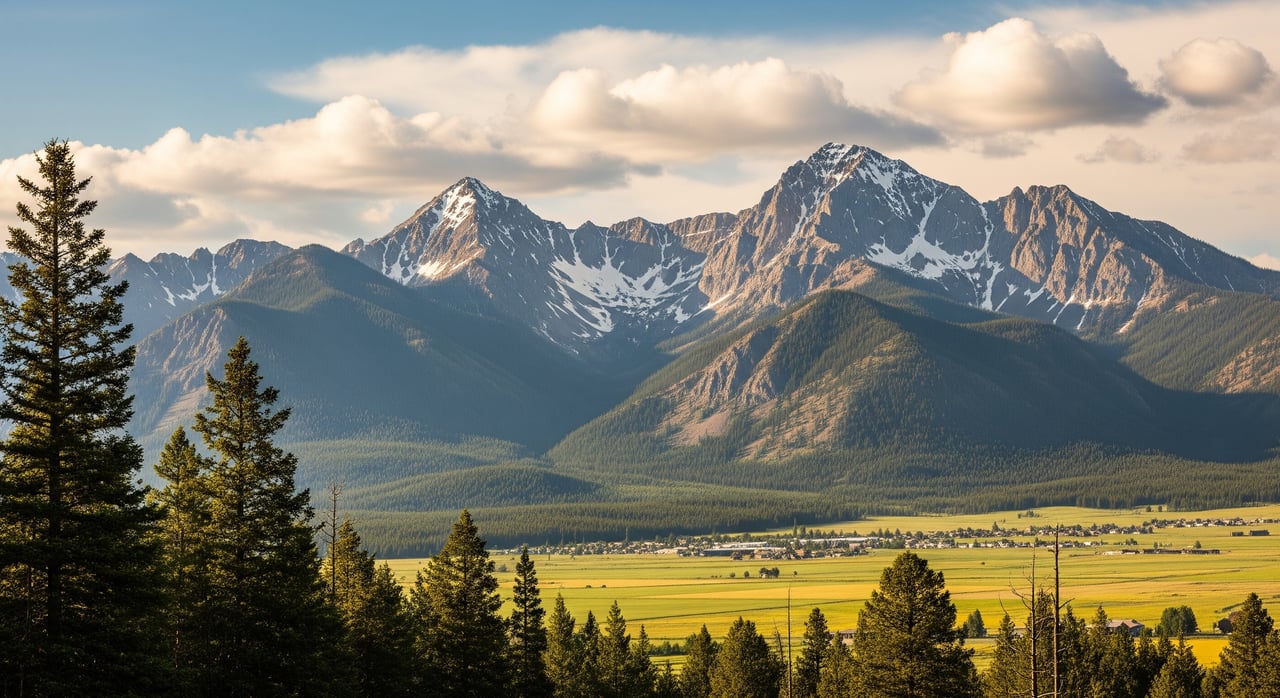
What does an ordinary Tuesday look like when home sits in Bridger Canyon? If you are picturing sunrise on snow-dusted peaks, a quick lap at Bridger Bowl, and a quiet evening under a bright sky, you are close. Daily life here blends mountain freedom with thoughtful planning for roads, utilities, and wildlife. In this guide, you will see what a typical day feels like and what you should know before you buy. Let’s dive in.
Morning rhythm in Bridger Canyon
Mornings often start with a weather check and a road report. Many residents plan 20 to 40 minutes to reach downtown Bozeman, depending on where they live in the canyon and the season. Winter can add time, so it is smart to check Montana Department of Transportation advisories before you head out. The hospital, Bozeman Health, is about 20 to 35 minutes away for most addresses, and the airport typically runs 25 to 45 minutes.
If skiing is part of your routine, the base of Bridger Bowl is generally 15 to 35 minutes from lower-canyon homes. Locals often slide in a few early laps before work, then head back down once the parking lots start to fill on busy days. You will see many neighbors bookend their day with a quick tour on the hill or a short trail run at home.
Winter roads and safety
Bridger Canyon Road is maintained, but it is narrow and winding in sections. Snow and ice are normal in winter, and closures can occur during storms or avalanche control near the ski area. Check the MDT updates and be ready to leave extra time.
Homeowners usually handle private driveway plowing or hire a contractor. Many keep vehicles set up for mountain driving and carry winter kits. If you recreate in steep terrain, the Gallatin National Forest Avalanche Center is a daily resource for forecasts and closures.
Utilities and connectivity
Electricity in rural parts of the canyon is commonly served by NorthWestern Energy. Many owners add backup generators for resiliency. Most properties rely on private wells and septic systems, so permits and inspections with Gallatin County are part of the purchase and building process.
Propane is a common heat source where natural gas is not available. Regular delivery and tank monitoring become part of your cadence, especially ahead of cold snaps. Internet and cell service vary by address. Options can include fiber near the canyon mouth, fixed wireless, satellite, and mobile broadband. Verify coverage on the FCC Broadband Map and do an on-site signal test.
Bridger Bowl and the outdoor cadence
Bridger Bowl is the winter heartbeat. It is known for abundant snowfall, a local vibe, and challenging terrain. Weekdays are popular for quick sessions, and there may be special-night activities or events during the season. Review schedules and events on the Bridger Bowl site and plan for early parking on peak days.
Beyond lift-served skiing, many residents enjoy Nordic, uphill, and backcountry tours. Avalanche awareness is essential in the Bridger Range. Before you head out, check the latest advisory from GNFAC and follow group safety protocols.
Summer adds hiking, mountain biking, and trail stewardship in the surrounding national forest. Afternoons often shift from desk to dirt, and weekends include trail work days, local events, or a neighbor potluck.
Wildlife and living well in the wild
Wildlife is part of daily life. You may see elk, deer, moose, bears, and mountain lions in the broader ecosystem, along with smaller mammals and birds. Residents secure trash and remove attractants following Montana Fish, Wildlife & Parks guidance. Many use wildlife-proof containers, keep grills clean, and avoid bird feeders during active bear seasons.
Drivers take extra care at dawn and dusk, when animals are more active. During late summer and early fall, wildfire planning is part of the routine. Gallatin County and partners provide resources on defensible space and community preparedness via county channels.
Family logistics and schools
Families often coordinate school schedules with commute planning. Many students in the canyon attend Bozeman Public Schools, but assignments depend on parcel location. Always confirm school assignment by address with the district. Most youth activities, lessons, and sports are located in Bozeman, so expect routine trips to town.
Buying considerations in the canyon
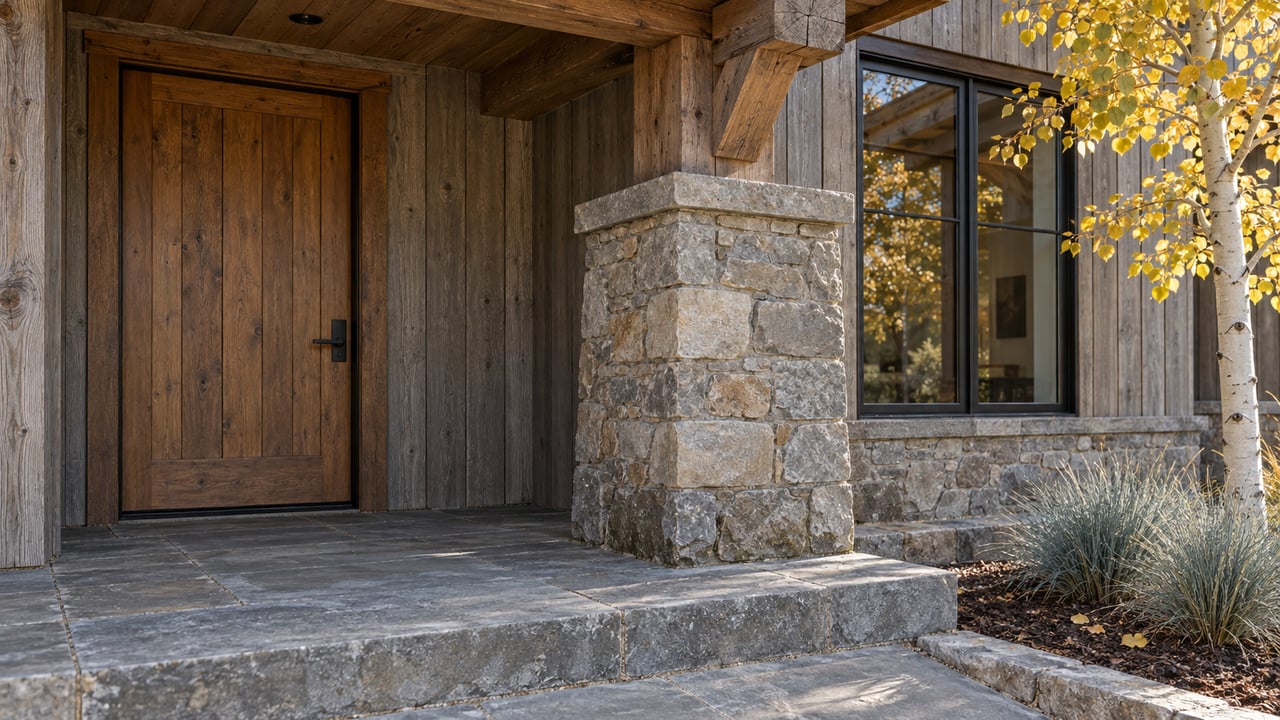
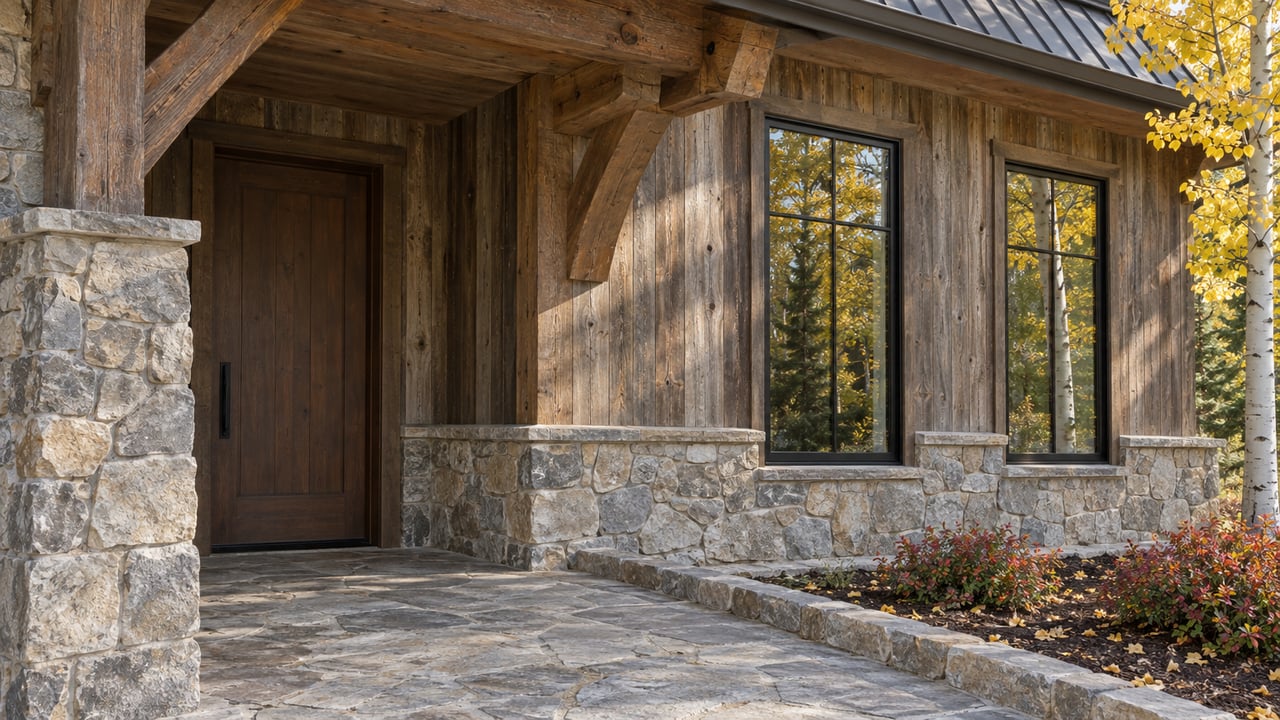
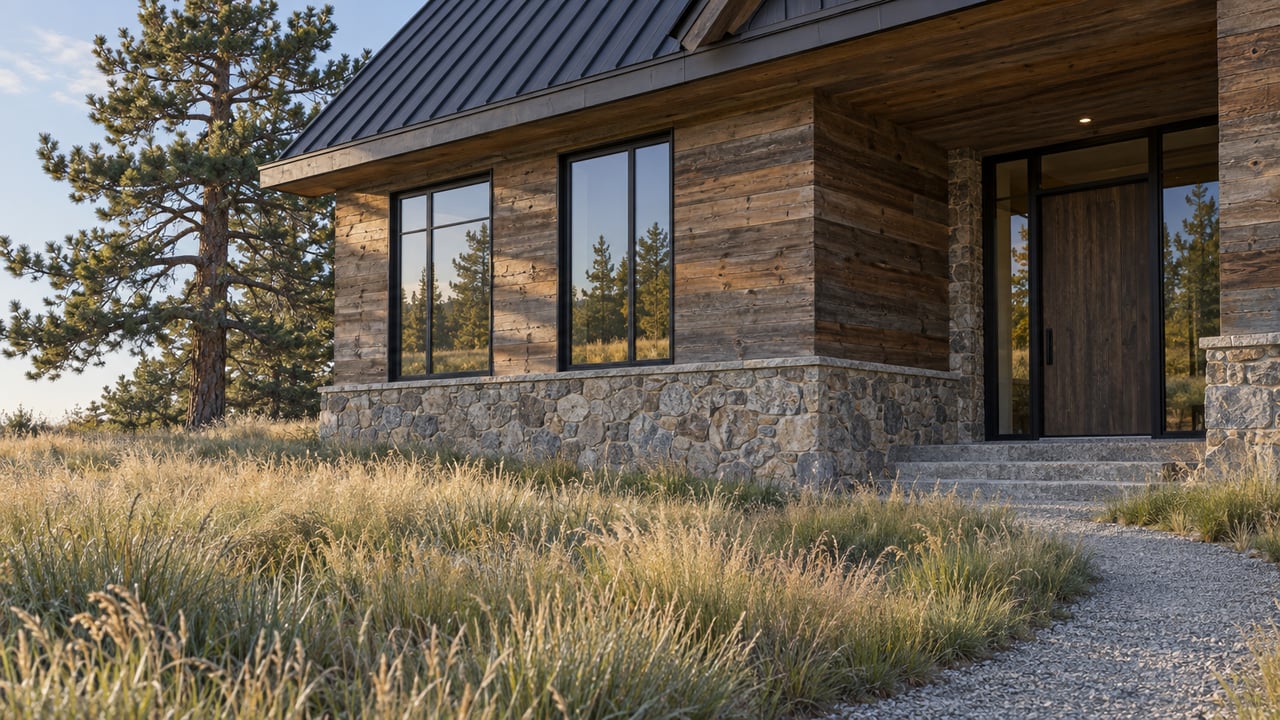
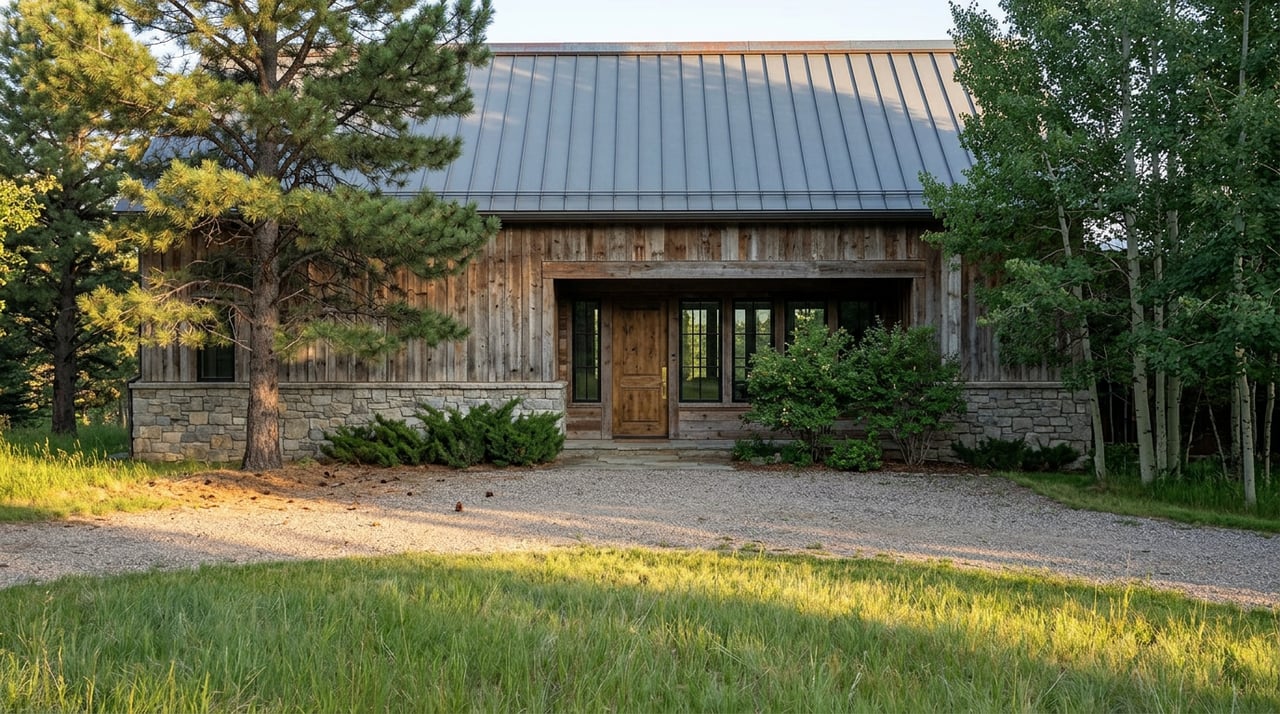
Bridger Canyon offers cabins, custom mountain homes, and acreage estates. Parcels closer to the canyon mouth tend to be easier for maintenance and access, while upper-canyon properties trade longer drives for privacy and views. True ski-in or ski-out locations are limited and command a premium.
Due diligence matters here. Plan for well and septic inspections, and consider geotechnical input if you are building on slopes. Title review should address access easements, plow agreements, and any conservation or forest-adjacent constraints. Wildfire mitigation steps may influence insurance availability and pricing.
A day in the life: three snapshots
The ski-commuter in winter
- 5:15 a.m.: Coffee, quick weather and avalanche forecast check, pack the truck.
- 6:00–9:00 a.m.: Early laps at Bridger Bowl. Back down before lots fill.
- 9:30 a.m.: Remote work at home or a 25–35 minute drive to downtown Bozeman. Evening includes a trash check to avoid wildlife attractants and a look at the weekend snowpack.
The family flow, year-round
- Morning: Bus pickup or a 20–35 minute drive into Bozeman for school. Timing flexes with weather.
- Midday: Consolidate errands and appointments in town. Grocery trips are planned, not daily.
- Afternoon: Trail run or bike ride before dinner. Kids’ activities in Bozeman cap the night.
The summer second-home owner
- Morning: Coffee on the deck, two to three miles on a nearby trail.
- Day: Remote work with primary internet and a backup hotspot. Cell boosters help in spotty zones.
- Evening: Mountain bike session or fishing, then a casual neighbor gathering.
Practical checklist for prospective buyers
- Verify drive times and winter access. Check MDT road conditions by route and ask neighbors about snow history.
- Confirm utilities. Contact NorthWestern Energy for electric service and plan for propane deliveries.
- Inspect wells and septic. Coordinate county-compliant inspections and permits with Gallatin County.
- Validate internet and cell coverage. Use the FCC Broadband Map and request on-site tests.
- Plan for seasonal safety. Review GNFAC avalanche advisories and follow FWP wildlife guidance.
- Understand wildfire preparation. Use Gallatin County resources for defensible space and evacuation planning via county pages.
If you want mountain privacy with Bozeman access, Bridger Canyon delivers a rare balance. The tradeoff is planning ahead for weather, utilities, and wildlife, which becomes second nature after a few seasons. With address-specific due diligence, you can enjoy an easy daily rhythm set to the peaks outside your window.
When you are ready to explore properties or validate a parcel’s practical details, connect with Mike Schlauch Platinum Properties for discreet, construction-informed guidance.
FAQs
How long is the commute to downtown Bozeman in winter from Bridger Canyon?
- Plan for roughly 20 to 40 minutes one way, with timing dependent on your exact location and conditions; check MDT advisories during storms.
What utilities are typical for homes in Bridger Canyon?
- Many homes use electric service from NorthWestern Energy, private wells and septic systems, and propane for heat; backup generators are common.
Is internet reliable at Bridger Canyon addresses?
- Service varies by parcel and may include fiber near the canyon mouth, fixed wireless, satellite, or mobile broadband; verify at the FCC Broadband Map and test on site.
What is daily life like near Bridger Bowl in ski season?
- Many locals ski early on weekdays, with parking filling fast on peak days; check schedules on the Bridger Bowl site and commute times with MDT.
How do wildlife and wildfires influence daily routines in Bridger Canyon?
- Residents secure attractants per FWP guidance, drive carefully at dawn and dusk, and follow Gallatin County resources for defensible space and seasonal wildfire planning via county pages.