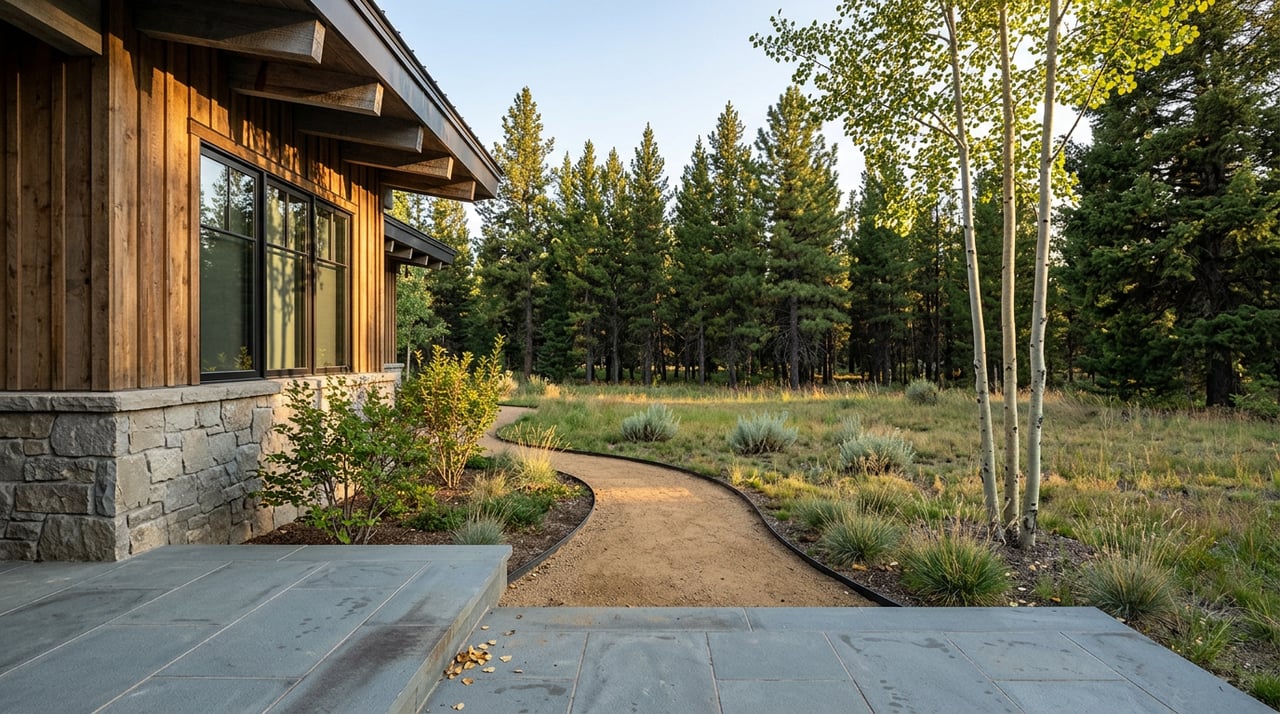
If your perfect day starts on a sunny ridge and ends with a short drive to dinner downtown, South Bozeman delivers. You want open space and views without giving up fast access to work, the university, and essential services. This quick guide shows you how the south side balances trails, Hyalite day trips, and a mix of neighborhoods and lot sizes. Let’s dive in.
Location and commute
South Bozeman sits just beyond downtown and the Montana State University campus. MSU anchors the south side of the city and is a major driver of local activity and housing demand, with a substantial campus footprint and year-round events (MSU campus overview). You will also feel the presence of large employers like MSU and Bozeman Health that shape commute patterns and housing needs across the metro, as outlined in HUD’s market analysis (HUD Bozeman CHMA).
From many south-side neighborhoods, downtown, campus, and Bozeman Health are often a short drive. Time varies by the exact street and rush-hour timing, but the hallmark here is convenience. If you split your week between the office, campus connections, and trails, this location is a practical home base.
Trails and outdoor access
The south side shines for daily outdoor access. You get two scales of recreation: the in-town “Main Street to the Mountains” network that links neighborhoods to parks and downtown, and nearby mountain-canyon terrain for bigger day trips.
Triple Tree Trail
Triple Tree is a south-side classic with rolling terrain, sunny ridgelines, and sweeping valley views. The loop is commonly referenced in the five to five-and-a-half mile range depending on route choice. You can review current descriptions and parking notes, including the Sourdough Road trailhead, through the Gallatin Valley Land Trust’s page on the trail (GVLT Triple Tree Trail). Expect seasonal conditions and busy peak hours.
City trail network
Bozeman’s urban trail system lets you leave the car at home for many outings. Routes like the Gallagator Linear Trail link south-side neighborhoods to downtown, the MSU area, and connections toward the foothills and College “M” trailheads. For an overview of this backbone route and how it ties into the larger system, explore the Gallagator description (Gallagator Linear Trail). Story Mill Park also functions as a regional trail hub and community gathering space within the broader network.
Hyalite day trips
When you want alpine water and bigger terrain, Hyalite Canyon is your go-to. Managed by the U.S. Forest Service, the Hyalite Recreation Area offers hiking, fishing, boating, winter recreation, campgrounds, and day-use sites, all within a quick drive from town (USFS Hyalite Recreation Area). Popular descriptions place Hyalite Reservoir roughly 10 to 18 miles from downtown Bozeman depending on where you measure and which route you take (Visit Montana: Hyalite Reservoir).
Hyalite is more than a playground. It is also part of Bozeman’s municipal water picture along with Sourdough and Middle Creek systems, which means water levels and access can be part of city drought planning and watershed protection efforts (City of Bozeman Drought Management). Peak-season visitation is high, so plan for crowded parking and check agency updates for gates, wildfire restrictions, or seasonal closures. Local studies also discuss visitor management and trailhead pressure, which helps explain why timing your trip matters (WTI access and parking report).
Homes, lots, and views
The south side blends newer subdivisions inside city limits with older rural parcels as you move toward Hyalite Canyon. Many planned neighborhoods were designed to frame mountain views and maintain easy trail access. You will find single-family streets with sidewalks and parks sitting not far from acreage options further south.
Lot sizes and zoning
Inside city neighborhoods, a common pattern is single-family lots in the low-tenths of an acre. Market examples often fall in the roughly 6,000 to 12,000 square foot range for newer plats, with smaller infill lots in select areas and larger estate parcels at the rural edge. Lot size and density are shaped by the City’s Unified Development Code, which sets minimums and lot area per dwelling by district. For definitive standards and current updates, consult the public-review draft of Bozeman’s development code (Bozeman UDC reference).
As you move south into county areas, you will see more multi-acre properties mixed with legacy parcels. Always verify any specific parcel’s size and entitlements before you buy. Utilities, road access, and trail linkages can vary by subdivision phase and whether a property is in city or county jurisdiction.
Architecture and setting
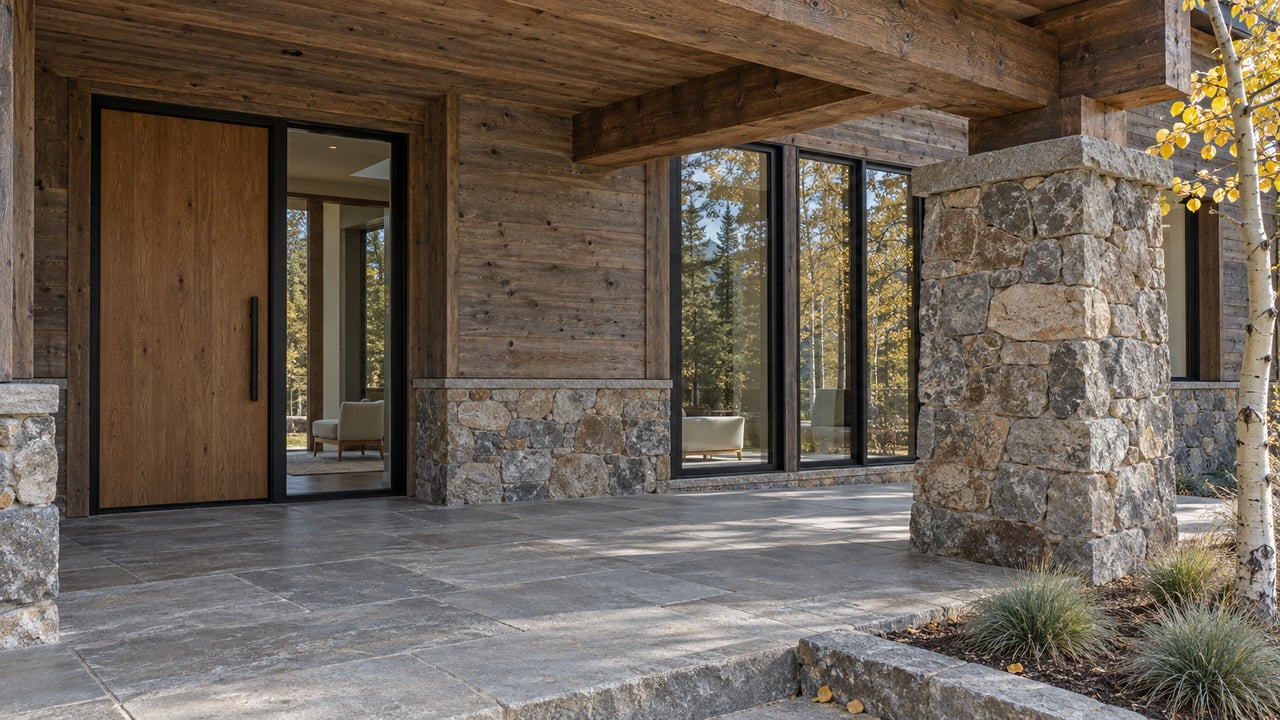
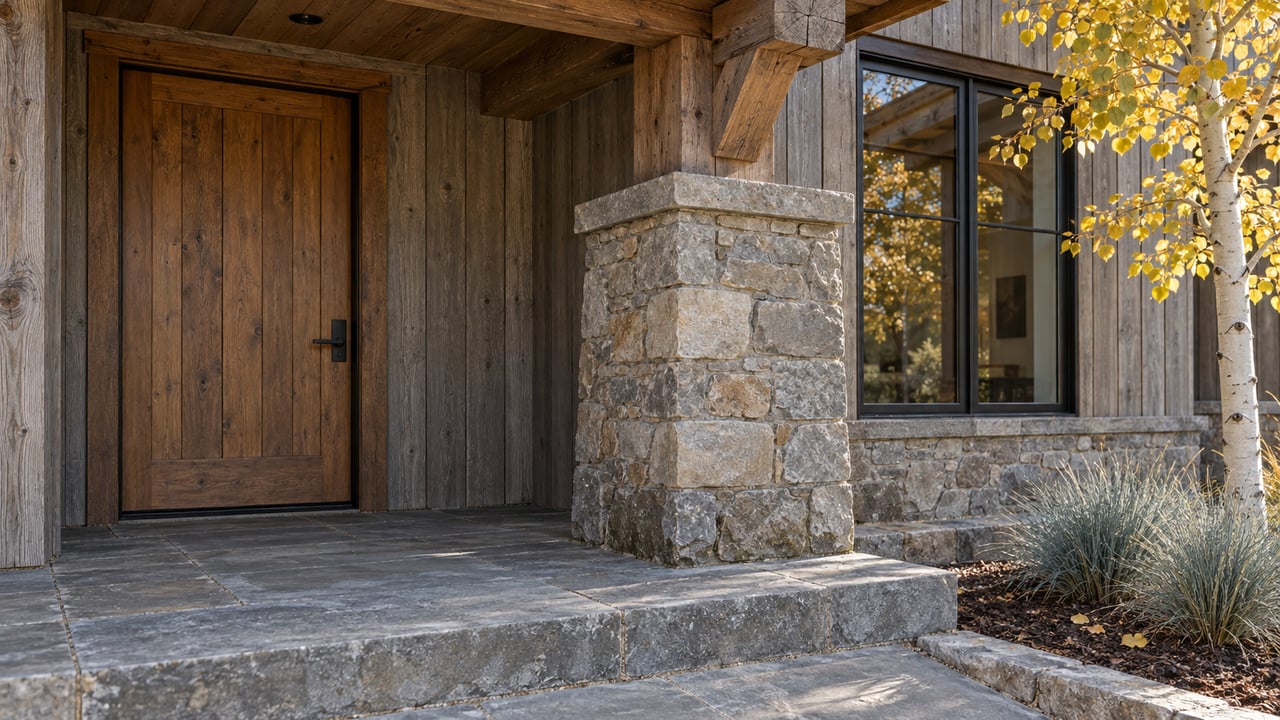
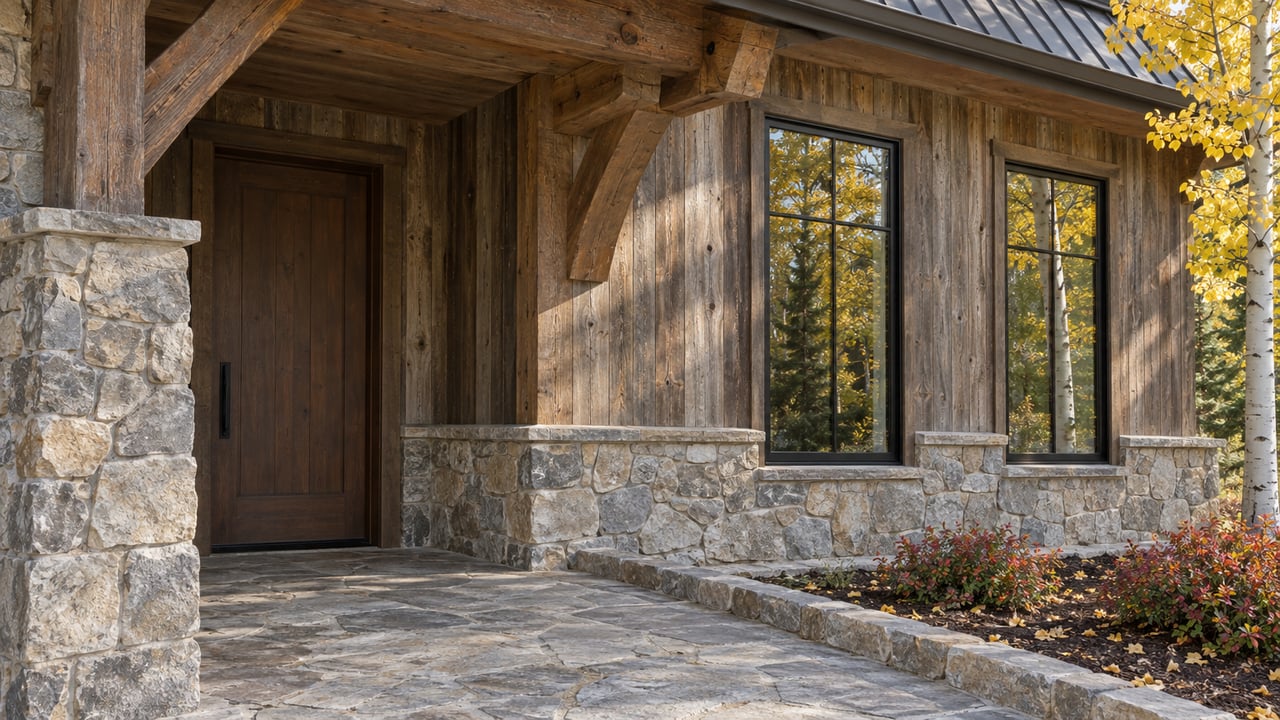
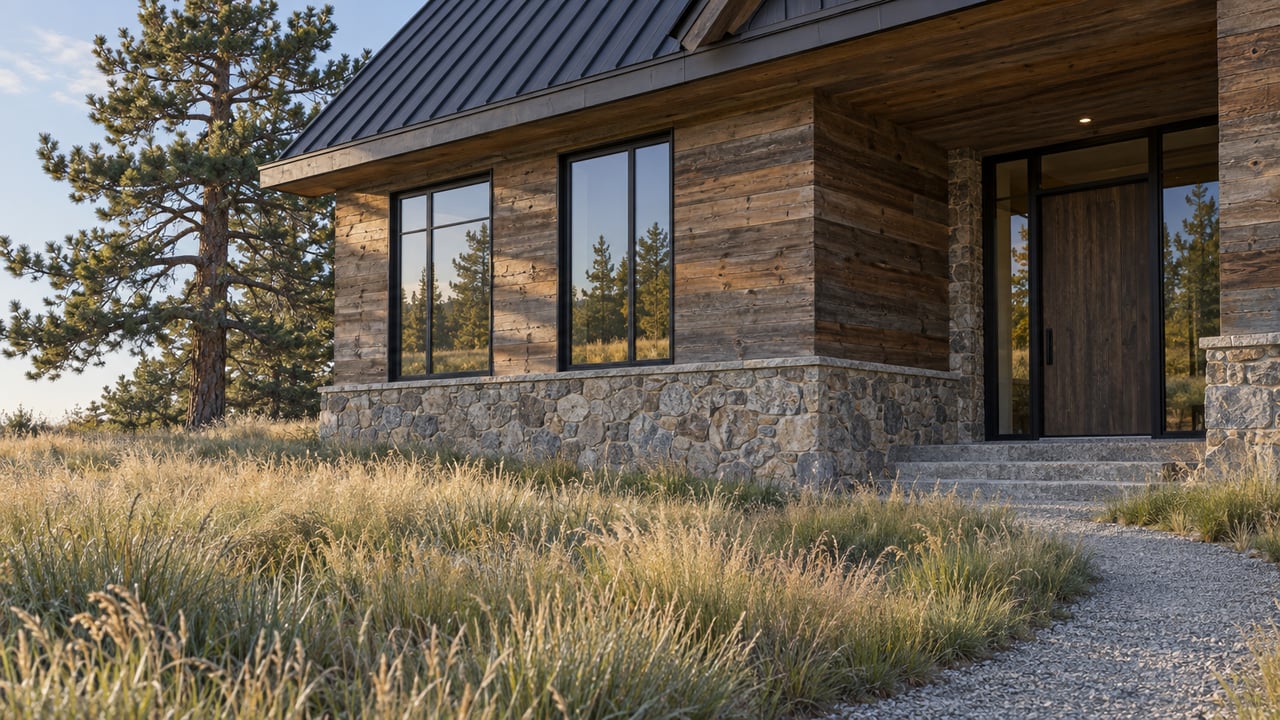
You will see a range of architectural styles. Modern farmhouse, mountain-modern, craftsman-influenced, and traditional ranch forms are common in newer subdivisions. Many homes are oriented to capture light and view corridors toward the Bridger Range or the Hyalite foothills, which adds daily drama to sunrise and evening alpenglow. If outdoor living space matters to you, pay attention to lot orientation, setbacks, and nearby open-space corridors when you tour.
Who this area fits
If you want a home that balances neighborhood convenience with real trail access, South Bozeman is a strong fit. You can be at MSU or downtown in minutes, then out to Triple Tree or Hyalite without packing for a full-day expedition. For many buyers, that blend of everyday function and open-space living is the value proposition.
Consider this quick checklist as you explore:
- Commute: How many trips per week do you make to MSU, Bozeman Health, or downtown?
- Trails: Do you prefer urban paths out the door or mountain trailheads within a short drive?
- Lot and privacy: Do you want a low-maintenance yard or more acreage and elbow room?
- Views: Which mountain aspect feels right to you at sunrise and sunset?
How to explore like a local
- Start with the urban network. Walk or ride parts of the Gallagator to feel how neighborhoods connect to campus and downtown (Gallagator Linear Trail).
- Hike Triple Tree at different times of day to see traffic patterns and lighting (GVLT Triple Tree Trail).
- Plan a Hyalite visit on a weekday morning and a weekend afternoon. Compare drive times, parking availability, and noise levels (USFS Hyalite Recreation Area).
- If you are evaluating build potential or zoning, review the City’s development code and confirm standards for the exact district you are considering (Bozeman UDC reference).
- Keep an eye on water and drought updates during dry years, since Hyalite and Sourdough are part of the municipal supply (City of Bozeman Drought Management).
Is South Bozeman right for you?
Choosing a south-side address is about balance: short daily drives, instant trail options, and wide-sky views. If that mix aligns with how you want to live, this area gives you flexibility across seasons without sacrificing the amenities of town. When you are ready to compare neighborhoods, lot patterns, and orientation for views and light, it helps to walk sites with a local who understands construction, valuation, and how new development is shaping the map.
If you would like a discreet, high-touch look at listings and land opportunities that fit your lifestyle, connect with Mike Schlauch Platinum Properties to schedule a private consultation.
FAQs
Is South Bozeman convenient to MSU and Bozeman Health?
- Yes. MSU anchors the south side and both MSU and Bozeman Health are major local employers, so many south-side neighborhoods offer short drives to campus and the hospital (MSU campus overview; HUD Bozeman CHMA).
How close are trails and parks if I live on the south side?
- You can access city trails like the Gallagator for daily walks or rides and reach Triple Tree for a popular five-mile loop; connections extend across the “Main Street to the Mountains” network (Gallagator Linear Trail; GVLT Triple Tree Trail).
How big are typical lots in South Bozeman?
- Inside city subdivisions, many lots are in the low-tenths of an acre, often around 6,000 to 12,000 square feet in newer plats, while multi-acre parcels are more common farther south; always verify with current plats and code standards (Bozeman UDC reference).
Is Hyalite Reservoir a realistic day trip from the south side?
- Yes. Hyalite is one of Bozeman’s nearest mountain-reservoir recreation areas, roughly 10 to 18 miles from downtown depending on route; check USFS for seasonal access, parking, and gate updates (USFS Hyalite Recreation Area; Visit Montana: Hyalite Reservoir).