Craving mountain solitude or a quick coffee run downtown? In South Central Gallatin County, your choice between Bridger Canyon and South Bozeman comes down to how you want to live day to day. Both offer access to world‑class recreation and a vibrant Bozeman lifestyle, but the details are very different. In this guide, you’ll compare privacy, trails, winter access, utilities, commute, and resale so you can choose with confidence. Let’s dive in.
Bridger Canyon at a glance
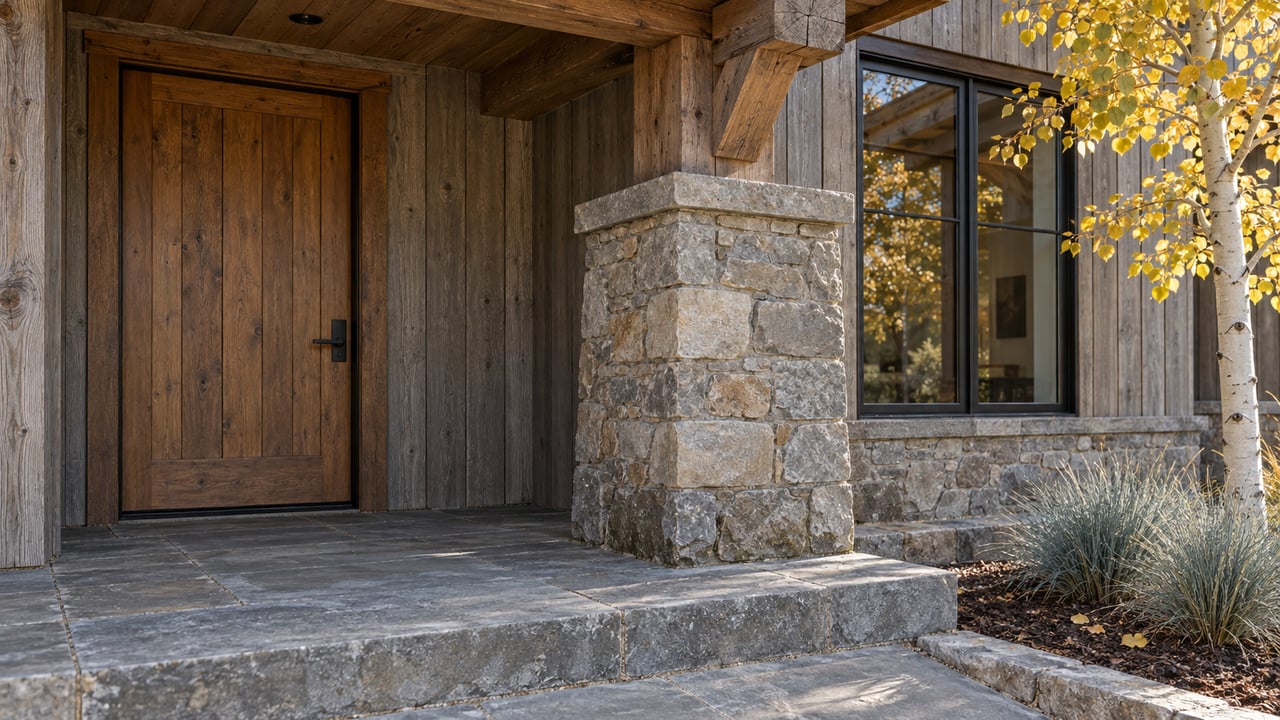
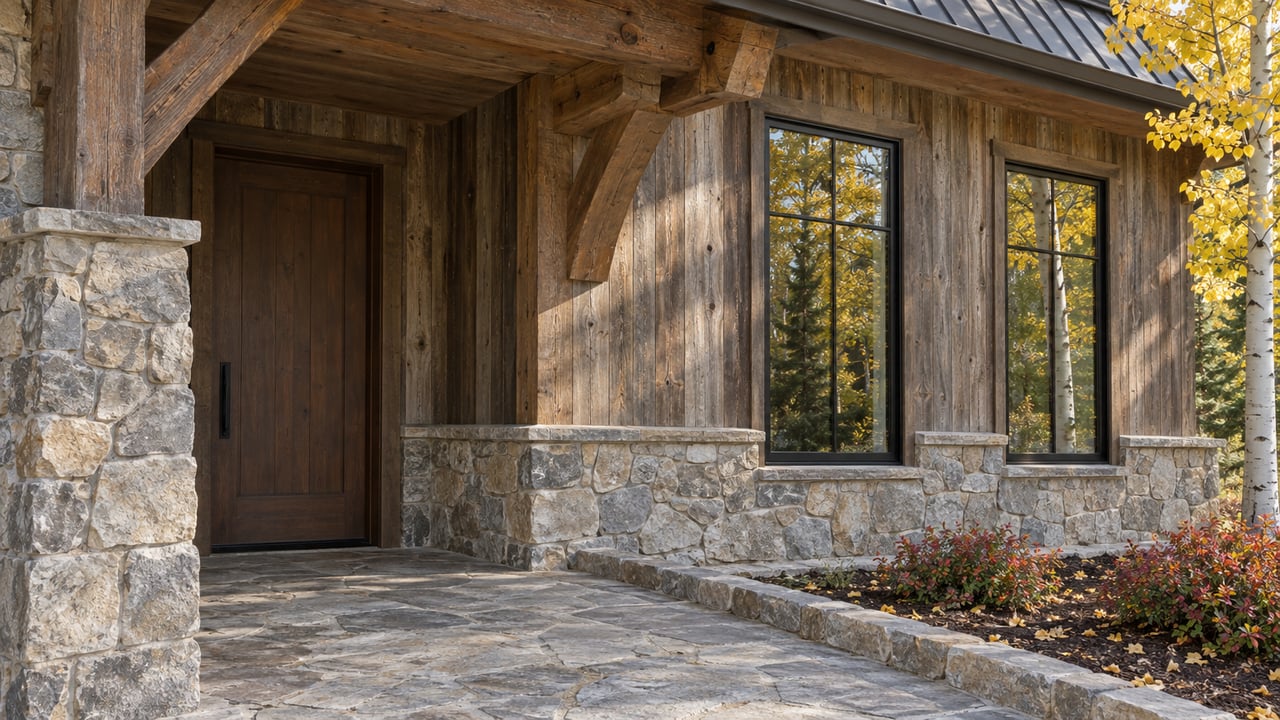
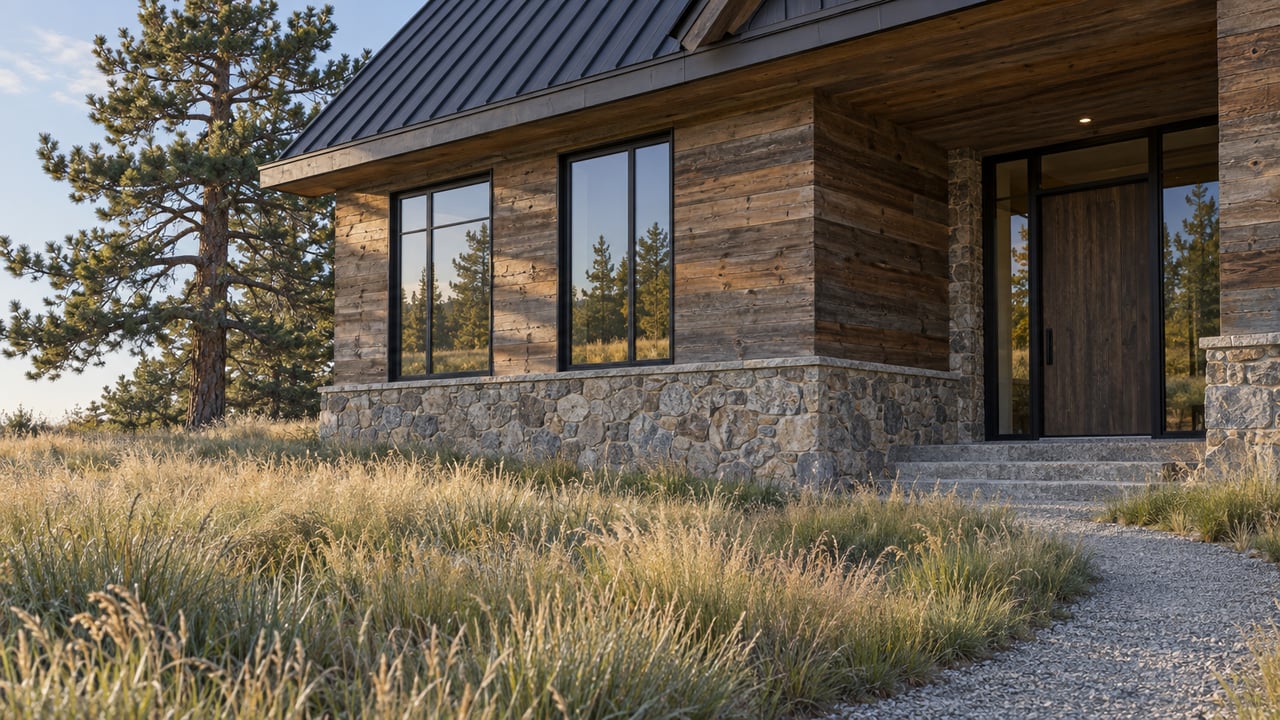
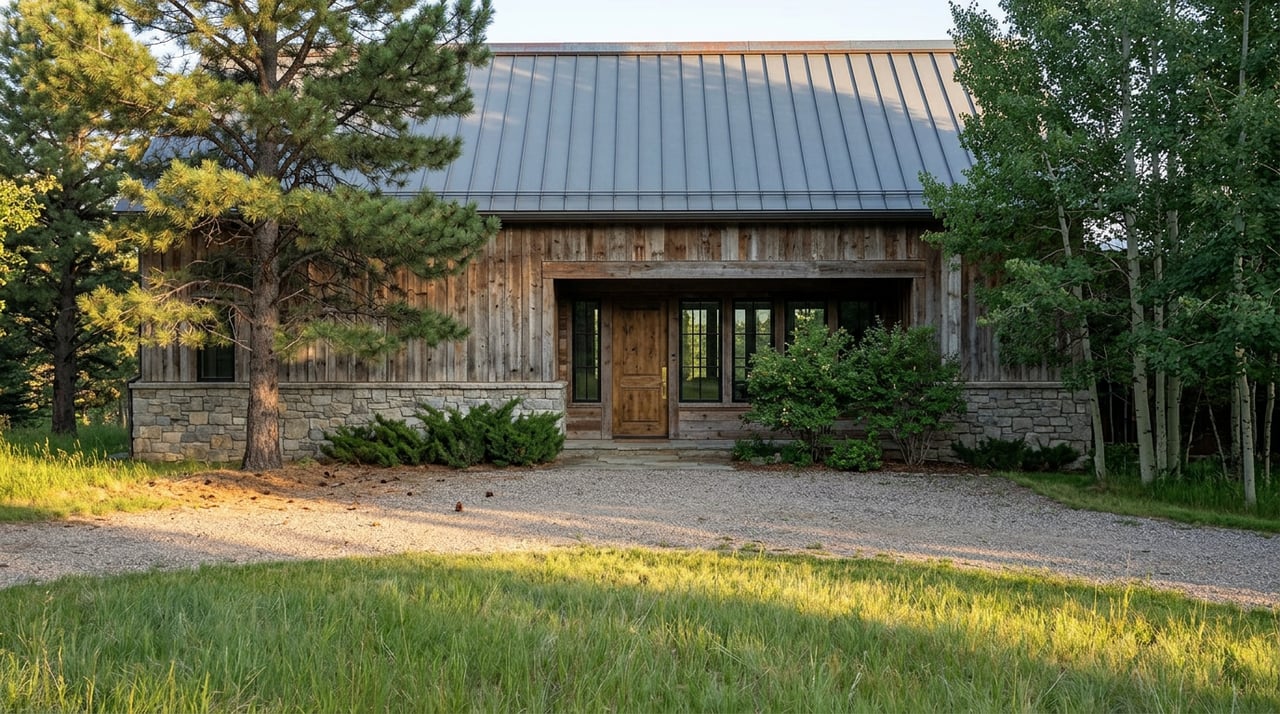
Bridger Canyon sits just north of Bozeman in a forested mountain corridor leading toward the Bridger Bowl Ski Area. You’ll find larger parcels, greater separation between homes, and a true mountain feel. Properties often feature wells and septic systems and sit at higher elevations.
If you want privacy, acreage, and doorstep access to trails and ski terrain, this area shines. Expect trade‑offs like longer or variable winter commutes, more hands‑on maintenance, and a higher likelihood of wildfire and wildlife encounters.
South Bozeman at a glance
South Bozeman includes neighborhoods just south of downtown, largely inside or close to city limits. You’ll see smaller lots, more municipal services, faster snow removal, and short drives to groceries, healthcare, and dining.
If you value convenience, consistent utilities, and a shorter commute to downtown, it is a strong match. Expect trade‑offs like smaller yards, closer neighbors, and a short drive to reach major mountain trailheads.
Privacy and parcel size
Bridger Canyon: Parcels range from small rural lots to multi‑acre properties with tree cover and topography that naturally screen homes. Many settings feel secluded, with building envelopes managed by county zoning and subdivision rules.
South Bozeman: Neighborhoods trend smaller in lot size with a mix of single‑family homes, townhomes, and condos. You can create privacy with fencing and landscaping, but homes sit closer together under city zoning and infill standards.
Outdoor access and trails
Bridger Canyon: Trailheads and mountain access are close at hand. Many homes are minutes from Bridger Range single‑track and the Bridger Bowl access road. It is ideal if you hike, bike, trail run, or ski and want to step into it quickly.
South Bozeman: You get city parks and paved multi‑use paths with neighborhood connectivity. Bridger Range and Hyalite trailheads are a short drive away, but not typically right outside your door.
Winter conditions and road maintenance
Bridger Canyon: Higher elevation means more snowfall that lingers longer. County‑maintained roads can be narrower, drifted, or icy after storms, with occasional temporary closures. Many owners use 4WD and handle their own driveway snow removal.
South Bozeman: City crews plow arterial and neighborhood streets on a consistent schedule. Commutes to downtown and services are typically shorter and more predictable in winter.
Tip: If winter driving is a concern for you, test your commute during a storm cycle before committing to a property.
Commute, downtown, and daily services
Bridger Canyon: The lower canyon is a short drive to downtown, but your time increases the further you go up the corridor. Plan for 10 to 40 minutes depending on location and conditions.
South Bozeman: Most neighborhoods sit about 5 to 15 minutes from downtown. You’ll be closer to groceries, healthcare, restaurants, schools, and many employers, which simplifies daily routines.
Utilities, infrastructure, and internet
Bridger Canyon: Many properties use private wells and septic systems. It is essential to verify well yield, seasonal variability, and septic system age and design. Internet can be variable. Some addresses have fixed wireless or DSL, while others rely on satellite. Cell coverage also varies by micro‑location.
South Bozeman: Inside city limits you’ll typically have municipal water and sewer and a higher likelihood of fiber or cable internet. Public systems reduce personal maintenance responsibilities, though city fees and regulations apply.
Tip: Always confirm utility availability and internet providers for the exact address. Neighborhood‑level assumptions can miss critical details.
Property types, building, and permits
Bridger Canyon: Steeper slopes, driveway access, septic placement, and wildfire considerations shape buildability. Some sites require geotechnical or soils studies. New construction and remodels follow Gallatin County processes, and projects in the wildland‑urban interface may require extra mitigation.
South Bozeman: Lots are flatter on average. Inside city limits, you’ll navigate the City of Bozeman’s review and permit process, pay utility impact fees, and follow neighborhood covenants or design guidelines where applicable.
Tip: If you plan to build or renovate, involve a local builder and the appropriate planning department early to map timelines, costs, and constraints.
Wildfire, wildlife, and natural hazards
Bridger Canyon: Expect elevated wildfire exposure due to contiguous forest and the wildland‑urban interface. Defensible space, ember‑resistant details, and evacuation planning are essential. Wildlife encounters are more common, which means managing attractants and fencing thoughtfully. Creek‑side or steep lots may benefit from erosion or geotechnical assessments.
South Bozeman: Wildfire risk is generally lower inside the city and fire services are close, though edge neighborhoods can still see risk. Wildlife encounters happen less frequently compared to the canyon.
Market dynamics and resale
South Bozeman: Demand is driven by proximity to downtown and services, smaller lot sizes, and a strong rental pool. Resale cycles are typically more predictable with broader buyer appeal.
Bridger Canyon: Buyer demand is more specific. Privacy, acreage, and direct trail or ski access can be powerful draws, but these properties often require more education during marketing and can have longer time on market for unique or highly customized homes.
Note: Market values shift with seasonality and regional trends. Use current MLS data for pricing strategy on a specific address.
Decision framework: Which fits you?
Use this quick checklist. Mark each priority as Must‑have, Important, Nice‑to‑have, or Not important.
- Commute and winter access: If you need a short, reliable commute of about 20 minutes or less, lean South Bozeman.
- Privacy and acreage: If multi‑acre privacy with tree cover is essential, lean Bridger Canyon.
- Doorstep mountain access: If you want immediate trail or ski access, Bridger Canyon fits best.
- Municipal utilities and broadband: If city water, sewer, and multiple ISP options are a requirement, choose South Bozeman.
- Winter driving tolerance: If you prefer consistent plowing and less winter variability, pick South Bozeman. If you are comfortable with 4WD, occasional storm delays, and driveway maintenance, Bridger Canyon works.
- Wildfire and wildlife tolerance: If you prefer reduced wildfire exposure and fewer wildlife encounters, South Bozeman is a better match.
- Building new or heavy renovation: If your vision involves building on a slope with well and septic, plan for Bridger Canyon complexity. If you want smoother utility hookups and city processes, go South Bozeman.
- Budget vs. lifestyle: If you will pay a premium for a private mountain setting near trail and ski access, focus on Bridger Canyon. If you prioritize predictability and liquidity, focus on South Bozeman.
Buyer profiles: Who fits where?
Remote worker seeking solitude and trails
- Likely fit: Bridger Canyon.
- Why: Privacy, acreage, and quick access to hiking, biking, and skiing.
- Action: Have a septic professional inspect the system and speak with neighbors about winter access patterns.
Young family prioritizing convenience
- Likely fit: South Bozeman.
- Why: Shorter commutes to daily services and consistent municipal utilities.
- Action: Confirm whether a home sits inside city limits and review neighborhood HOA or design rules.
Active outdoor athlete working in town
- Possible fits: Both.
- Why: Choose Bridger Canyon for immediate trails and ski access, or South Bozeman for faster commutes and easy access to city paths plus short drives to trailheads.
- Action: Test drive both commute and trail access on a typical weekday to see which rhythm fits your life.
Custom mountain home builder
- Likely fit: Bridger Canyon.
- Why: Acreage and topography support unique architecture and setting.
- Action: Engage a builder early to scope geotechnical work, driveway engineering, well yield testing, and wildfire mitigation.
Downsizer seeking low maintenance
- Likely fit: South Bozeman.
- Why: Smaller lots, condo and townhome options, and more predictable resale.
- Action: Review HOA coverage for exterior maintenance and confirm utility and internet providers.
Equestrian or hobby farmer
- Likely fit: Either, depending on parcel and zoning.
- Why: Some Bridger Canyon properties and the outskirts of South Bozeman offer acreage that can accommodate animals.
- Action: Verify county or city zoning, subdivision rules, and any animal use restrictions before you tour.
How to verify the details that matter
Before you write an offer, work through these steps:
- Confirm jurisdiction: Determine if the property is inside Bozeman city limits or in unincorporated Gallatin County.
- Road and plowing: Ask who maintains the road and the driveway, and how often it is serviced after storms.
- Utilities and internet: Verify water, sewer, electric, and internet provider availability at the specific address.
- Rural systems: Order well yield tests, a septic inspection, and request service records from the seller.
- Wildfire readiness: Review defensible space measures and ask about local fire district response and evacuation routes.
- Commute reality: Drive your actual route during typical winter conditions.
The bottom line
Choose Bridger Canyon if you want privacy, acreage, and a true mountain lifestyle with immediate outdoor access. Choose South Bozeman if you value convenience, municipal services, and a short, predictable commute. Many buyers love both and decide based on a few must‑have priorities. With the right guidance, you can weigh the trade‑offs quickly and move forward with confidence.
If you want seasoned advice on buildability, wells and septic, winter access, or resale strategy, our builder‑led team can help you evaluate the site and the lifestyle fit. For a private, concierge experience, schedule a consultation with Mike Schlauch Platinum Properties.
FAQs
What is the biggest lifestyle difference between Bridger Canyon and South Bozeman?
- Bridger Canyon offers privacy, acreage, and doorstep mountain access, while South Bozeman emphasizes convenience, municipal services, and short commutes.
How does winter driving compare between the two areas?
- Bridger Canyon sees more snow and variable conditions that can lengthen commutes, while South Bozeman benefits from regular city plowing and more predictable drive times.
Will I have municipal water and sewer at a given address?
- Inside city limits you often have city water and sewer; many Bridger Canyon homes use private wells and septic, so verify utilities for the exact property.
Is internet service reliable in both areas?
- South Bozeman typically offers multiple providers and higher‑speed options; Bridger Canyon service varies by location, so confirm availability at the address.
Which area tends to have stronger resale demand?
- Homes inside city limits often have broader buyer demand and more predictable resale cycles, while Bridger Canyon properties attract a more specialized buyer pool.