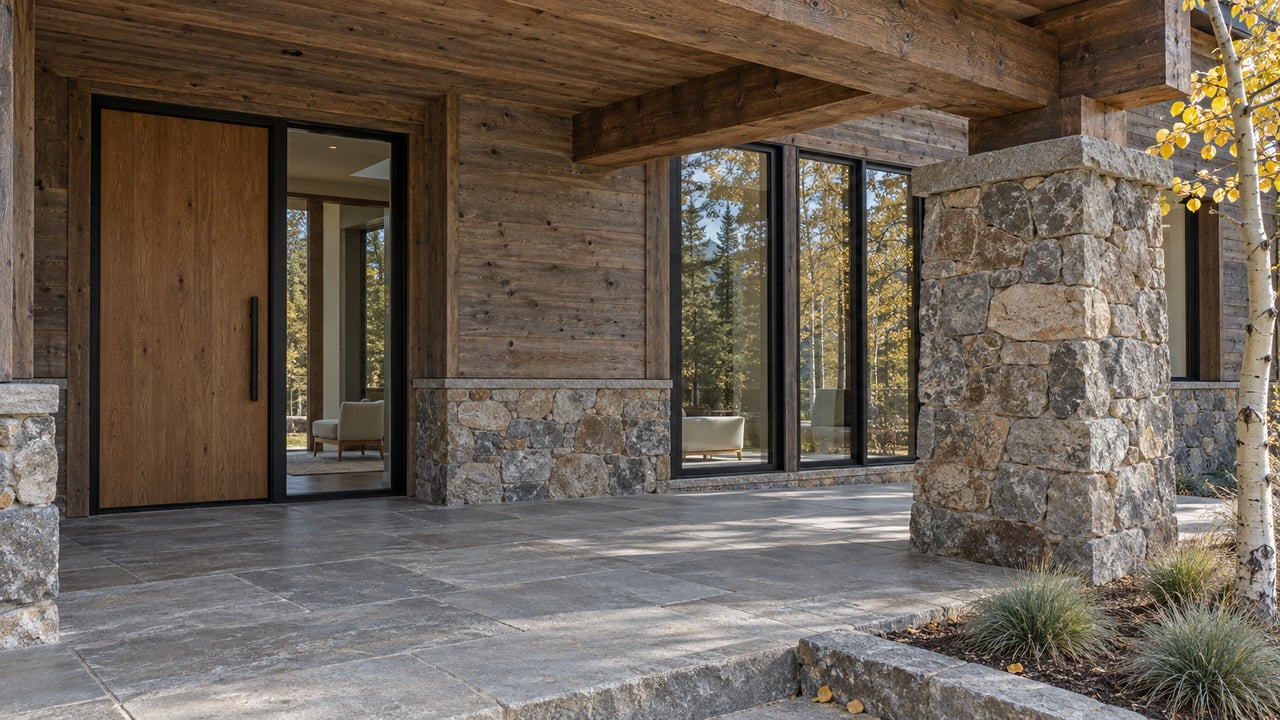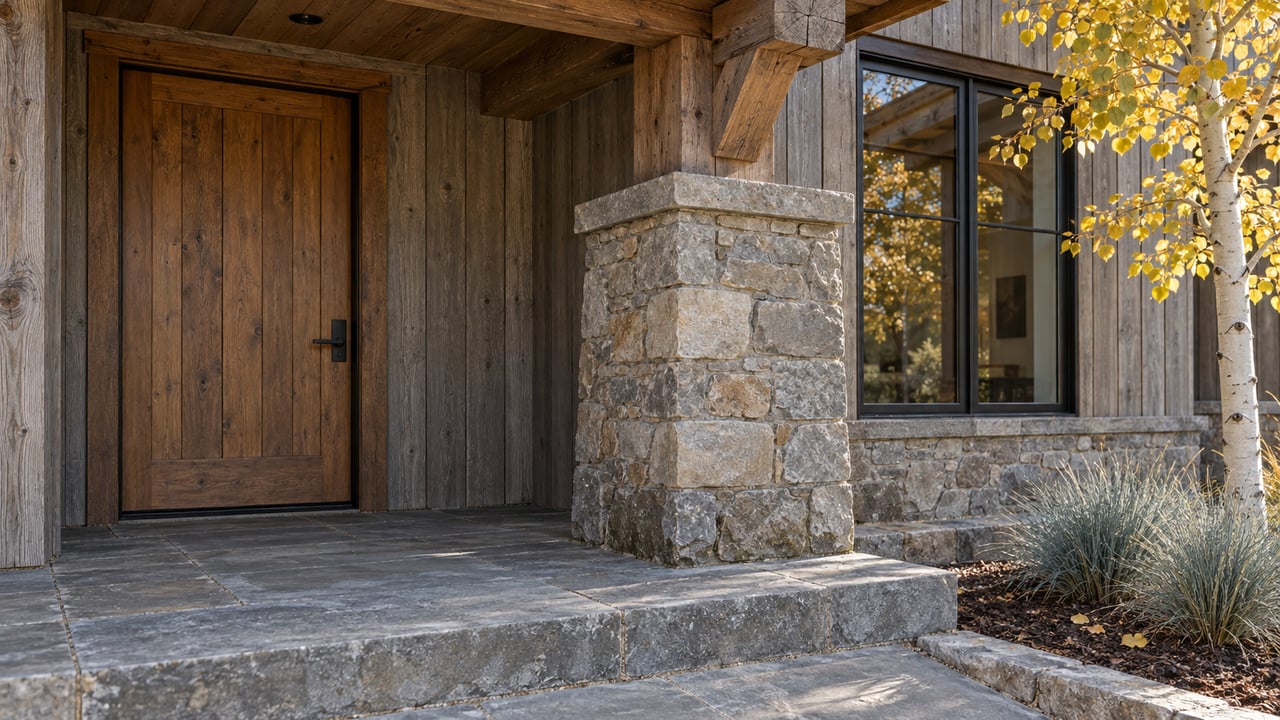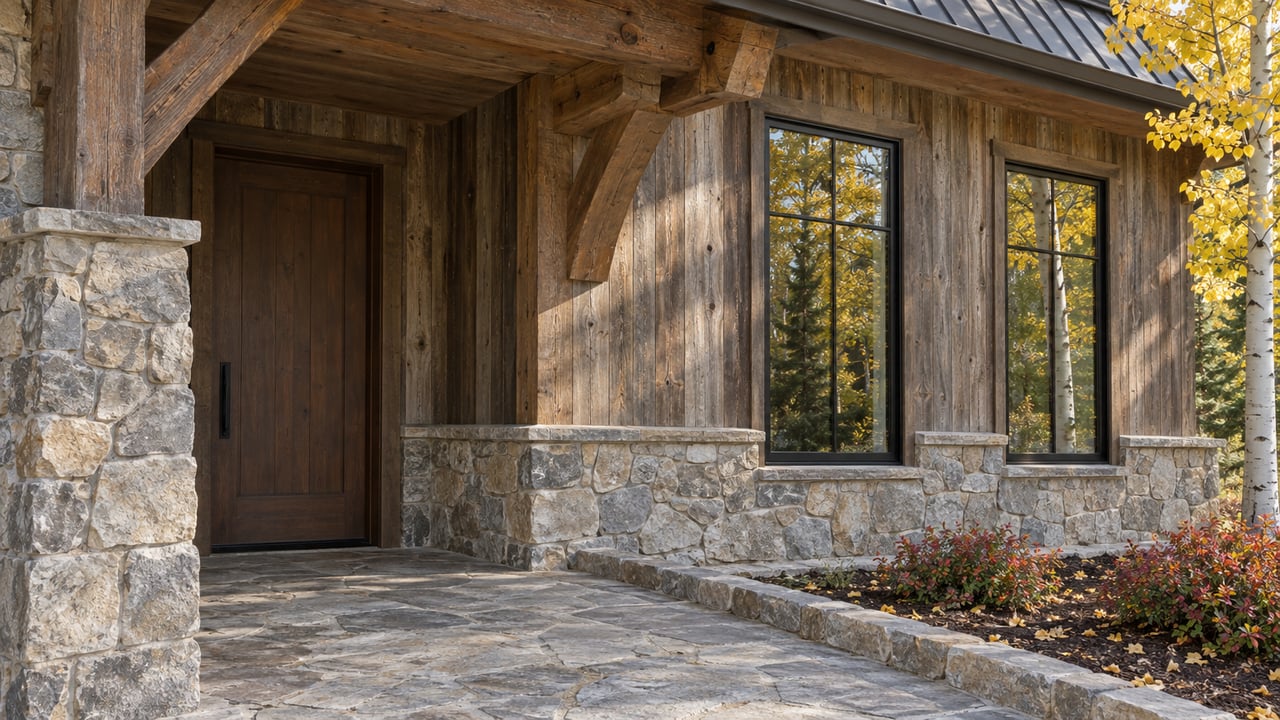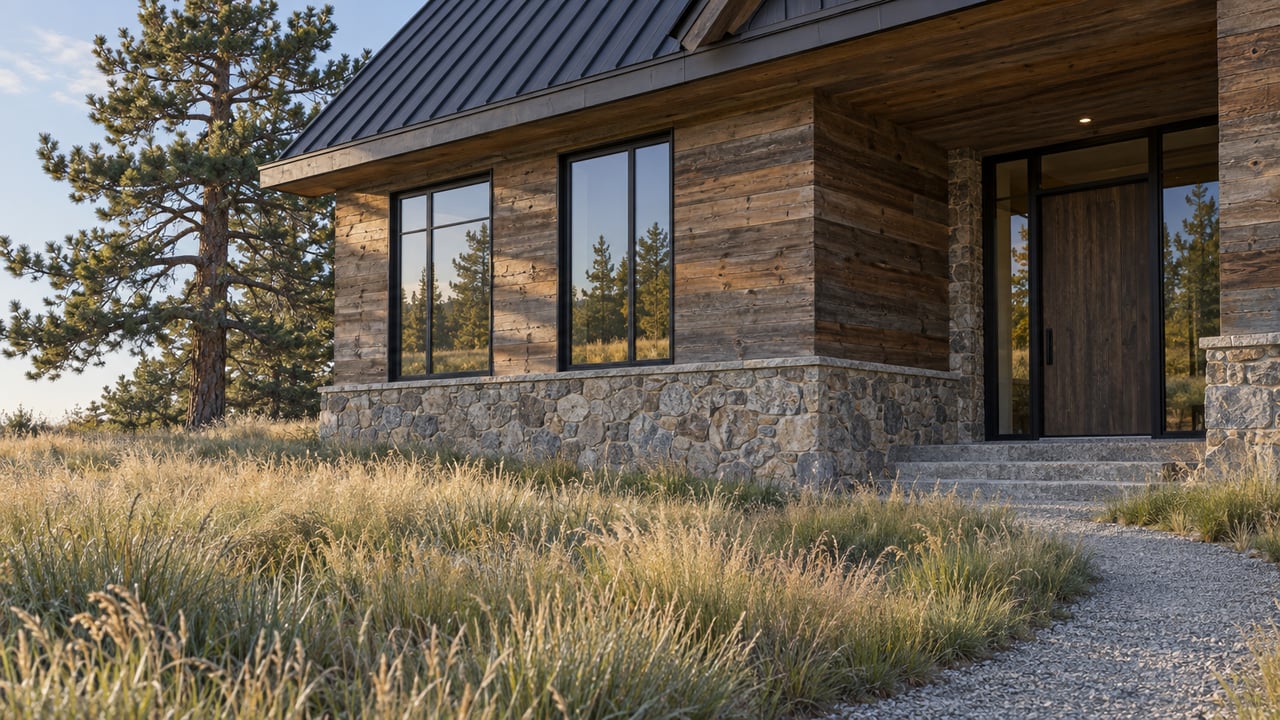
If you’ve ever wondered why a luxury home in Bridger Canyon can feel like its own market, you’re asking the right question. Buyers and sellers often hear broad “Bozeman market” headlines, but Bridger Canyon does not always move in step with in-town neighborhoods. When you understand what drives this area, you can make smarter decisions about timing, pricing, and expectations. Let’s dive in.
Bridger Canyon Acts Like an Estate Market
Bridger Canyon behaves more like a constrained rural estate market than a typical neighborhood market. In Gallatin County’s Bridger Canyon zoning district, large-lot rules help preserve rural character, scenic resources, and farmland. In key parts of the district, the framework relies on 40-acre minimum parcel sizes or density standards tied to one dwelling per 40 acres.
That matters because supply stays structurally limited. You do not get the same steady flow of new listings and repeat transactions that you often see in denser parts of Bozeman. In practical terms, that means fewer direct comparables, more property-by-property variation, and a market that can feel thinner but also more resilient.
Why Bridger Canyon Differs From Bozeman
It is tempting to lump Bridger Canyon into the larger Bozeman conversation, but the two markets function differently. Bozeman has a larger housing stock and more frequent turnover, which tends to create more comparable-driven pricing. That makes the city easier to analyze using recent sales data alone.
Bridger Canyon is different because land plays a larger role in value. Privacy, views, topography, access, and the quality of improvements can all shift pricing in a meaningful way. Two homes with similar square footage may command very different values if one sits on a more private parcel with stronger view corridors or a more compelling setting.
Supply Stays Tight by Design
One of the clearest reasons Bridger Canyon’s luxury market behaves differently is that inventory is naturally constrained. The area’s planning framework is intended to avoid overcrowding and protect the canyon’s rural landscape. That creates a very different supply story than you might find in more buildable, in-town locations.
For sellers, this can support stronger positioning when a property is well prepared and properly priced. For buyers, it means patience matters. The right property may take time to appear, and when it does, it may not have many true substitutes.
Seasonality Shapes Buyer Interest
Bridger Canyon’s lifestyle appeal is closely tied to recreation, and that affects the rhythm of the market. Bridger Bowl’s winter operating season is projected to run from December 11, 2026 through April 11, 2027. Crosscut Mountain Sports Center notes that its summer trail system operates from June through September.
That creates two major windows of visibility for the area. Winter highlights ski access and the mountain lifestyle, while summer puts trails, open landscapes, and warm-weather recreation front and center. Buyers can feel the appeal more directly when the canyon is actively being used the way they imagine living in it.
Winter Is Slower, Not Silent
Seasonality does not mean Bridger Canyon shuts down. Broader Bozeman market commentary suggests spring and summer usually bring more listings and more buyers, while winter often has less inventory and less competition. At the same time, some deals still come together in the fourth quarter, even when many people assume the market is quiet.
For Bridger Canyon, the better takeaway is that the market is seasonally influenced, not seasonally idle. Serious buyers still look in winter, especially when ski access is part of the draw. Serious sellers can still succeed, but they should understand that the buyer pool and showing patterns may be different from peak summer conditions.
Who Typically Buys in Bridger Canyon
Gallatin-area migration data shows that most residential purchases still come from Montana residents. In 2025, Montana buyers accounted for 75.13% of residential purchases, while California, Colorado, and Washington were the leading out-of-state feeder markets. The 2024 pattern was nearly the same.
That tells you something important. Bridger Canyon luxury demand is not driven only by outside attention. It is still anchored by in-state and local demand, with an added layer of affluent out-of-state interest from western metro areas.
Local and In-State Buyers
Many likely buyers are move-up locals or in-state households looking for more land, more privacy, and a stronger connection to recreation. They may already know the canyon well and understand the tradeoff between town convenience and estate-style living. That familiarity can make them decisive when the right property comes up.
Out-of-State Luxury Buyers
Out-of-state demand is still meaningful, especially from the West Coast and Mountain West. These buyers are often drawn to the idea of a mountain base with acreage, fewer nearby homes, and direct access to skiing or trails. For them, Bridger Canyon can offer a lifestyle that feels distinct from a more urban or walkable setting.
Pricing Depends on More Than the House
In the broader luxury market, local reporting has defined Bozeman luxury as homes over $1 million. In the second quarter of 2025, the reported median luxury price was $1.187 million inside city limits and $1.4525 million outside city limits. That outside-city premium helps frame why a place like Bridger Canyon often sits in a different pricing conversation.
Still, you should be careful not to treat “outside city limits” as one single market. Bridger Canyon pricing is especially sensitive to land characteristics and setting. Acreage, privacy, views, usable terrain, access patterns, and the craftsmanship of the improvements all influence value, often more than standard suburban metrics would suggest.
Why Comparable Sales Can Be Tricky
In-town pricing often benefits from a larger pool of recent, similar sales. Bridger Canyon usually does not. Even when two properties are relatively close to each other, they may differ in parcel quality, visibility, solar exposure, building quality, or recreation access.
That is why luxury pricing here often requires more judgment and deeper property-level analysis. Sellers need to avoid overreaching based on broad Bozeman headlines, and buyers need to understand that a seemingly high price may reflect land value and scarcity as much as the house itself.
Best Timing for Sellers
For most sellers, the strongest listing window is when the canyon shows at its best and its lifestyle is easiest to experience. In practice, that often points to the active recreation seasons. Snow-covered winter settings can be powerful for ski-oriented buyers, and summer can showcase access, views, trails, and open space in a very different but equally compelling way.
Spring and summer also tend to bring more buyers and more fresh inventory across the broader Bozeman area. That can increase exposure, though it can also bring more competition. The right timing depends on how your property presents and which type of buyer is most likely to respond.
Best Timing for Buyers
If you are buying, you may find more negotiating room outside the most active ski and summer trail periods. When fewer buyers are actively touring, competition can soften. That does not guarantee discounts, but it can improve your ability to negotiate on terms, timing, or price.
The tradeoff is selection. In a supply-constrained market like Bridger Canyon, fewer active buyers often also means fewer active listings. Buyers who want the best chance at finding a very specific type of property may need to stay flexible and watch the market across multiple seasons.
What This Means for Your Strategy
Bridger Canyon is best understood as a thin, lifestyle-led, estate-scale market inside a larger and more liquid Bozeman ecosystem. That distinction matters whether you are buying or selling. You cannot rely on broad market headlines alone and expect them to tell the whole story.
If you are selling, your strategy should focus on precise positioning, strong presentation, and pricing that reflects both scarcity and property-specific value. If you are buying, your edge comes from understanding the canyon’s seasonal rhythm, limited supply, and the premium placed on land, privacy, and recreation access.
For high-end properties, that level of analysis is especially important. In a place like Bridger Canyon, the market does not reward generic advice. It rewards local context, careful valuation, and a clear understanding of what makes one estate truly stand apart from another.
If you are considering a purchase or sale in Bridger Canyon, Mike Schlauch Platinum Properties can help you evaluate timing, pricing, and property-specific value with the kind of local insight this market demands.
FAQs
How is the Bridger Canyon luxury market different from Bozeman?
- Bridger Canyon behaves more like a constrained rural estate market, with limited supply, larger parcels, and pricing that depends heavily on land, privacy, views, and setting rather than just nearby comparable sales.
When is the best time to sell a luxury home in Bridger Canyon?
- Sellers often benefit when the canyon is showing well and recreation is active, especially during winter ski season or the summer trail season, depending on the property’s strongest lifestyle features.
When is the best time to buy in Bridger Canyon?
- Buyers may find less competition and more room to negotiate outside the main ski and summer recreation peaks, although inventory may also be more limited.
Who is buying luxury property in Bridger Canyon?
- The market appears to draw a mix of move-up local buyers, affluent in-state purchasers, and some out-of-state buyers, particularly from California, Colorado, and Washington.
Why are home prices in Bridger Canyon harder to compare?
- Pricing can be harder to compare because properties often vary widely in acreage, topography, privacy, views, access, and improvement quality, which makes each estate more unique than a typical in-town home.
Does Bridger Canyon have a busy winter real estate market?
- Winter is generally less active than spring or summer in terms of inventory and competition, but the market is not silent, and ski-season appeal can still motivate serious buyers.