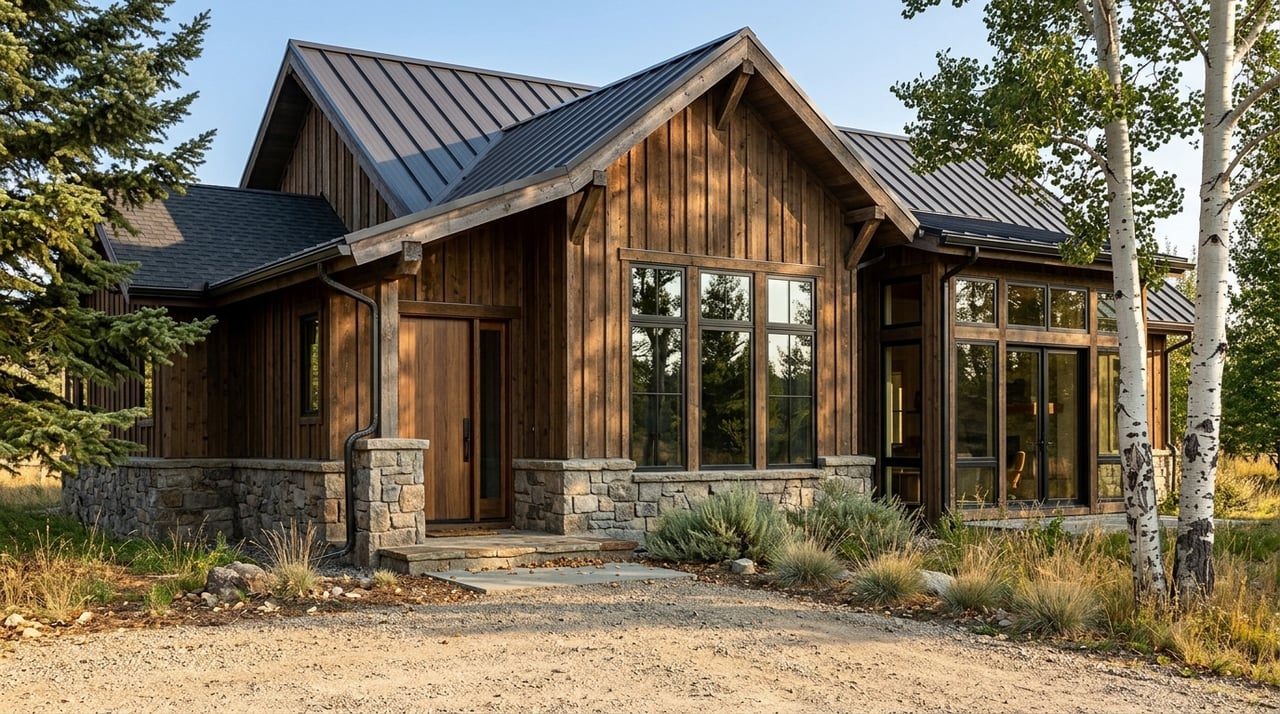
If you have spent any time in Bridger Canyon, you already know the homes here do not feel interchangeable. The setting has a strong hand in the architecture, and that is exactly why buyers are often drawn to the area in the first place. When you understand how land, climate, and design work together here, you can read a property more clearly and make a smarter decision. Let’s dive in.
Why Bridger Canyon Feels Different
Bridger Canyon is a landscape-first market in Gallatin County, stretching roughly 15 miles long and 8 miles wide along the Bridger Range. County planning describes the area as a predominantly agricultural valley with trout streams, rolling pastures, and forested foothills. That setting shapes the experience of living here just as much as any square footage or finish package.
The area also feels more like an estate corridor than a typical subdivision pattern. One reason is the county’s zoning structure, which includes core zones with 40-acre minimum parcel sizes unless a planned unit development applies. In practical terms, that often means more space, more separation between homes, and a stronger visual connection to open land.
Gallatin County’s planning guidance reinforces that character. The county calls for limited and controlled growth, preservation of natural beauty and open space, and design choices that respond to the land rather than copy a suburban model. That is a big reason Bridger Canyon architecture tends to feel intentional, grounded, and closely tied to the setting.
Architectural Styles in Bridger Canyon
Bridger Canyon does not have just one defining home style. Instead, it has a range of mountain-oriented architecture with a consistent theme: homes here work best when they respect views, terrain, vegetation, and winter conditions.
Rustic log heritage
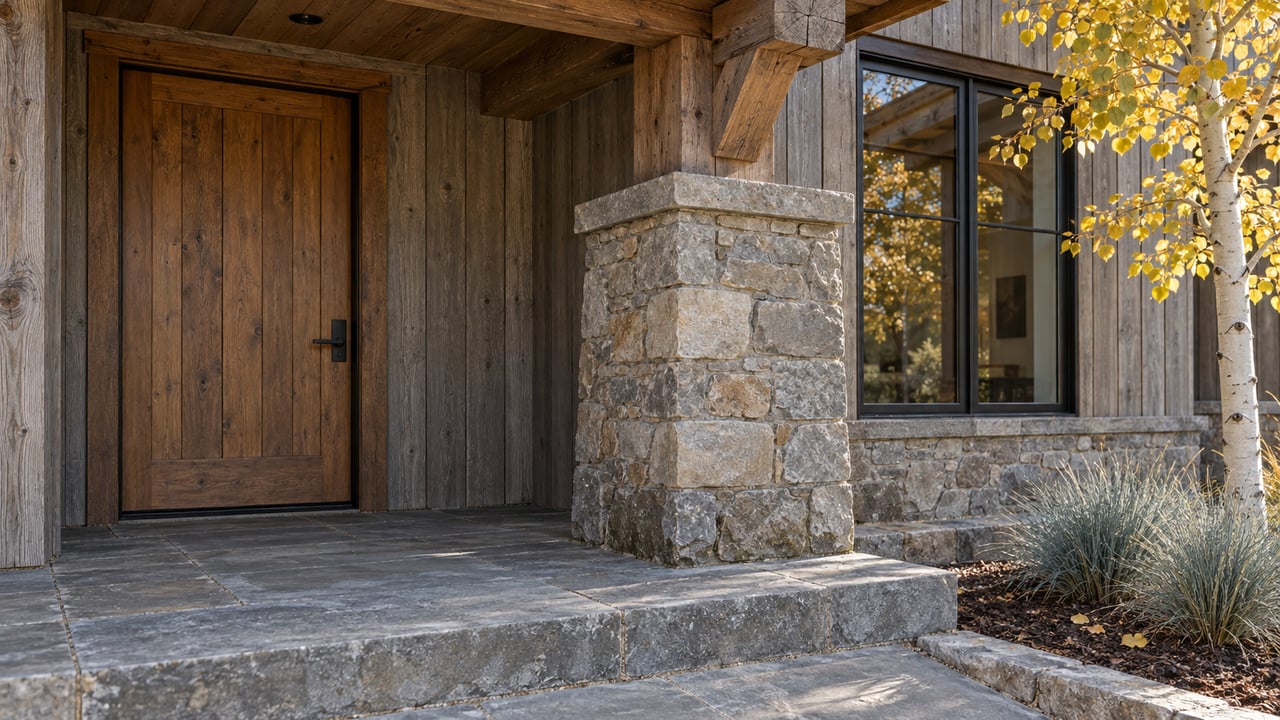
One of the clearest historic influences in the canyon is rustic log construction. Flaming Arrow Lodge, built in 1934, is documented as Rustic architecture with a focused use of natural materials and an expressive use of log. That legacy still matters because it reflects an early design language that feels native to the canyon.
Bozeman preservation guidance also notes that early buildings in the region often relied on log and timber construction because of local timber resources. You can still see that influence in older homes and agricultural structures. For buyers, this helps explain why log homes in Bridger Canyon often feel authentic rather than decorative.
Timber-frame retreats
Timber-frame homes sit in a middle ground between classic lodge character and more updated mountain design. In Bridger Canyon, this style often features visible beams, vaulted ceilings, open great rooms, and strong connections to outdoor living areas. The result is warmth and scale without always leaning as heavily on full-log construction.
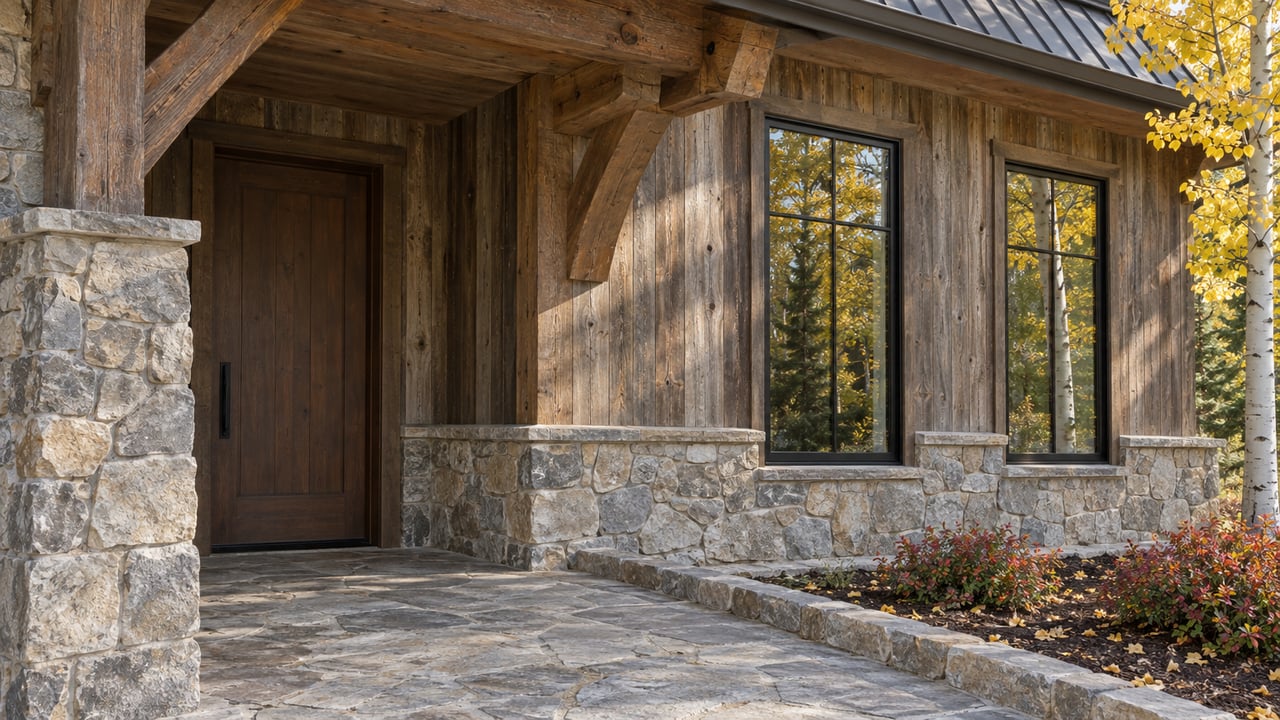
This approach has deep roots in the local building culture. Big Timberworks began as a log-building company in 1979 and shifted into timber framing in 1983, later expanding into reclaimed timber, stone, and metal. That evolution mirrors a broader Bridger Canyon pattern, where buyers often want mountain character with a cleaner and more flexible layout.
Contemporary mountain homes
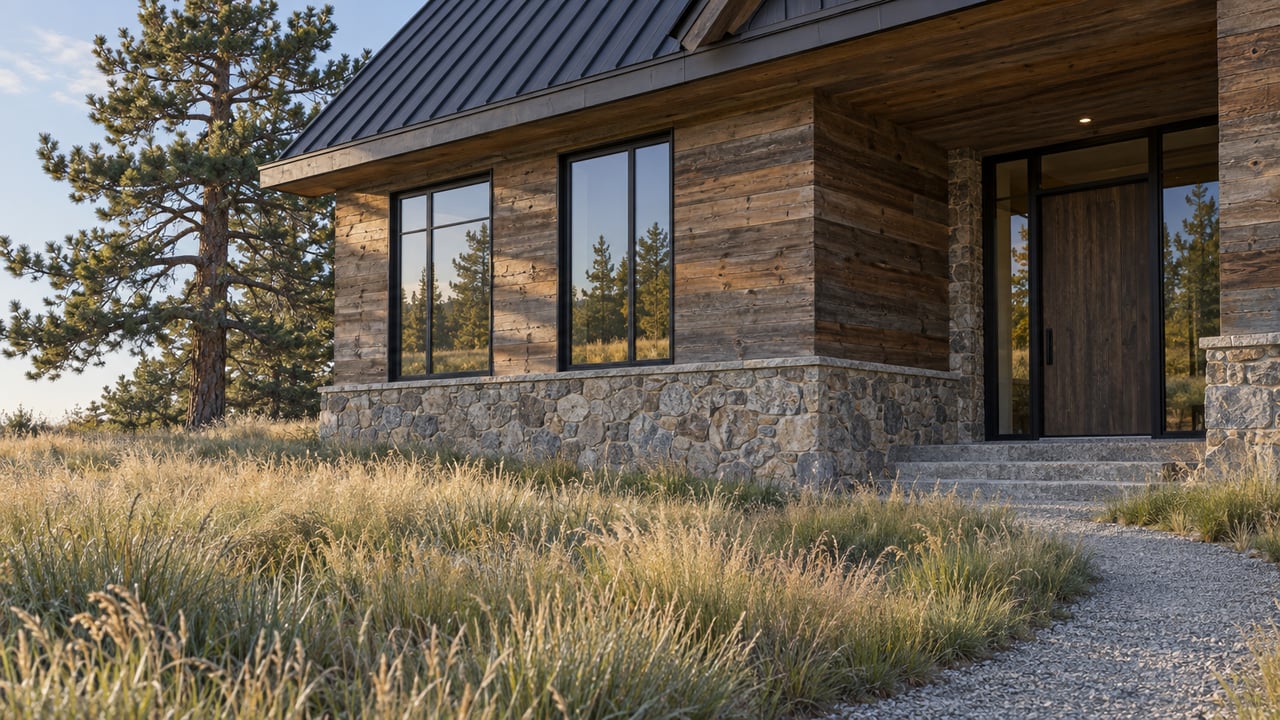
Contemporary architecture also has a clear place in Bridger Canyon when it is designed around the site. Recent canyon projects use large glass, structural steel, reclaimed materials, natural stone, and horizontal forms that orient living spaces toward the mountains. These homes may look more modern, but the strongest examples still feel rooted in the landscape.
That is the key distinction. In Bridger Canyon, contemporary design tends to work best when it prioritizes views, daylight, and terrain rather than trying to impose an urban form on a mountain setting. The style may be different from a legacy log lodge, but the design logic is often very similar.
High-performance mountain design
Another layer of the canyon’s architecture is performance-driven design. A Bridger Canyon Passive House project was specifically designed for Montana winters, solar gain, and heavy snowfall through reinforced spans and upgraded roof loads. That matters because mountain architecture here is not only about aesthetics.
For you as a buyer, this means a modern home may offer more than a clean visual style. It may also reflect a deeper strategy around winter comfort, energy use, and structural resilience. In Bridger Canyon, good design often solves for both beauty and performance.
How the Landscape Shapes the Homes
In many markets, style leads the conversation. In Bridger Canyon, the site often comes first.
Gallatin County’s general plan is unusually direct about what good design should do here. It recommends cluster development, preservation of trees and native vegetation, orientation toward views, underground utilities, and use of natural building materials. It also warns against the spread of conventional suburban housing patterns.
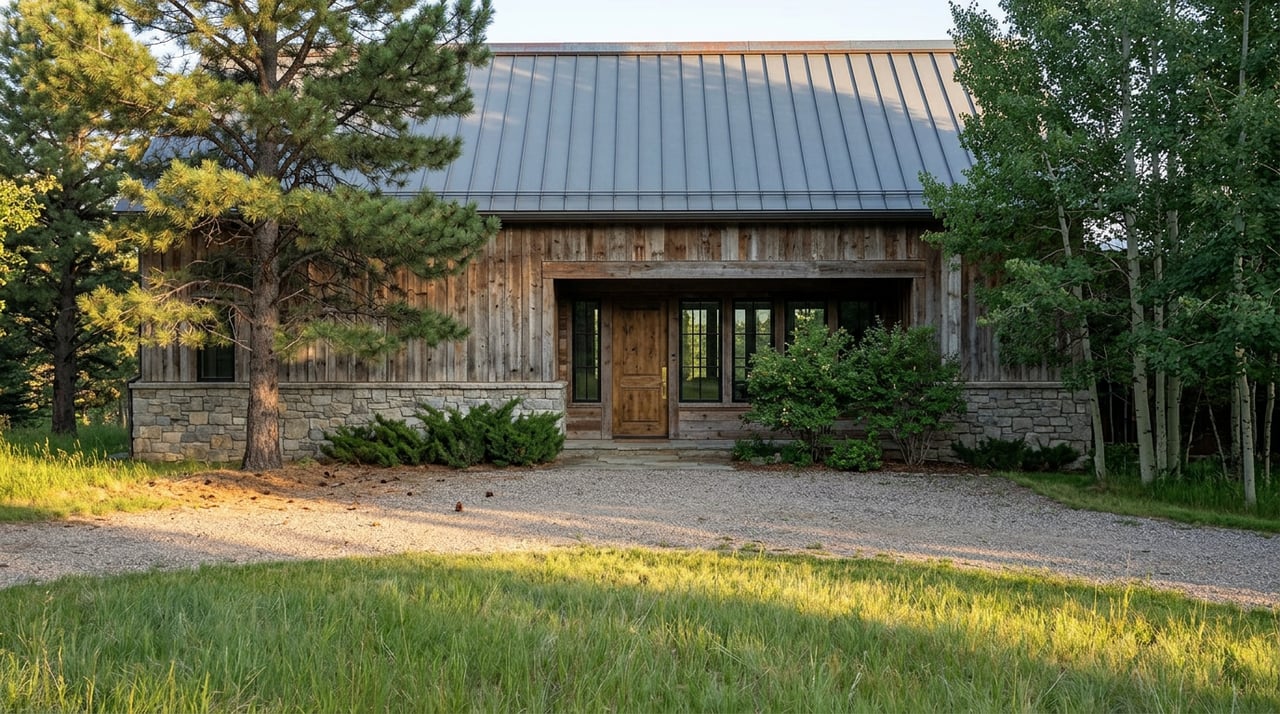
That guidance helps explain why homes in the canyon are often set back from the road and positioned to frame ridgelines, meadows, or forest edges. You will also notice that homes are frequently organized around privacy and outlook rather than street presence. In a place like Bridger Canyon, the experience from the house outward matters more than the view from the street inward.
Slope and hillside response
The county plan specifically recommends low building types stepped along hillsides in open areas to emphasize views. This is a practical design response, but it also gives Bridger Canyon homes their quiet visual rhythm. Instead of flattening a site, many homes work with the contours.
When a house steps with the land, it can feel more settled and less intrusive. It may also create better sight lines and outdoor spaces that feel sheltered rather than exposed. For buyers, this is one of the details that often separates a truly site-sensitive home from one that simply occupies a beautiful parcel.
Trees, vegetation, and materials
Natural materials are not just a style preference here. They are part of the planning vision for preserving the canyon’s character. Wood, stone, timber, and muted material palettes tend to sit more comfortably within forested foothills and open pastures.
The county also recommends preserving existing trees and native vegetation. That can influence where a home is placed, how it approaches the driveway, and how outdoor spaces are defined. In strong examples, architecture and landscape feel like one composition rather than two separate ideas.
Winter Living Is Part of the Design
Bridger Canyon architecture is shaped by winter as much as by views. The county general plan notes that mountain homes must be designed to withstand heavy snow loads. Higher-elevation development is also encouraged to consider clustering in order to reduce snow-removal burdens.
That reality shows up in everyday design decisions. Covered entries, durable exterior materials, mudrooms, and outdoor spaces that can handle seasonal use all make sense in this setting. These features are not just convenient. They are part of what makes a canyon home live well through the full year.
Road patterns add another practical layer. The main circulation spine includes Bridger Canyon Road, Jackson Creek Road, and Kelly Canyon Road, while the MT 86 corridor also serves private homes, ranches, trailheads, and ski access. Because the road network supports both residential and recreation traffic, siting and access deserve close attention during your search.
What Buyers Should Notice Beyond Style
It is easy to focus on aesthetics first. In Bridger Canyon, that can be a mistake.
A dramatic log home, a heavy-timber retreat, and a sleek mountain-modern residence may all be compelling in different ways. But the better question is how each property handles views, privacy, snow management, access, and long-term maintenance. Those are the factors that shape daily ownership in a canyon environment.
Maintenance differences by home type
Traditional log-heavy homes often come with a distinct upkeep profile. Regional log-home restoration work in the Bozeman area commonly includes staining, chinking, caulking, refinish work, and log-rot replacement. That does not make log construction a poor choice, but it does mean you should go in with clear expectations.
Contemporary homes shift that maintenance discussion. Larger glass walls, steel detailing, and low-profile roof forms may reduce log-specific exterior work, but they place more importance on glazing performance, snow management, and careful siting for privacy. In other words, every architectural style has tradeoffs.
The best homes solve multiple problems
The strongest Bridger Canyon homes are rarely successful for just one reason. They usually pair good architecture with a strong site plan, durable materials, and practical winter function. That combination is what creates long-term value in a market where setting and structure are closely linked.
If you are evaluating homes in the canyon, it helps to look beyond finishes and ask a few simple questions:
- How does the home capture views without sacrificing privacy?
- How does the roof and entry design respond to snow?
- Does the structure fit the slope and vegetation, or fight against them?
- What kind of exterior maintenance will the materials require over time?
- How does access feel during winter conditions?
Those answers often tell you more about the property than style labels alone.
Why Architectural Character Matters in Value
In a market like Bridger Canyon, architectural character is not a cosmetic detail. It is part of how a property relates to the land, how it performs through the seasons, and how it holds appeal over time. Buyers looking in this corridor are often responding to craftsmanship, privacy, and landscape integration as much as to size or finish level.
That is why local construction knowledge can matter so much when you are buying or selling here. A home’s value is shaped not only by its location, but by how well the design answers the realities of the site. In Bridger Canyon, the best properties tend to be the ones where architecture feels earned by the land.
Whether you are drawn to a legacy log lodge, a refined timber-frame retreat, or a contemporary mountain estate, the goal is the same. You want a home that belongs in the canyon and supports the way you plan to live there.
If you are considering a purchase or evaluating the market for a Bridger Canyon property, Mike Schlauch Platinum Properties brings local market perspective, construction insight, and a tailored luxury approach to help you assess what truly adds value. Schedule a private consultation.
FAQs
What architectural styles are common in Bridger Canyon homes?
- Bridger Canyon homes commonly include rustic log lodges, timber-frame retreats, contemporary mountain homes, and high-performance mountain designs that respond to views, snow, and the surrounding landscape.
Why are log and timber homes so common in Bridger Canyon?
- Log and timber homes are common because the region has a long building tradition tied to local timber resources, and county planning guidance favors natural materials and mountain-compatible forms.
Do contemporary homes fit the character of Bridger Canyon?
- Yes, contemporary homes can fit well when they are site-sensitive, use natural or muted materials, orient toward views, and respond carefully to the land and mountain setting.
What design features matter most for winter living in Bridger Canyon?
- Heavy snow loads, roof design, covered entries, mudrooms, access, and outdoor spaces that can handle seasonal conditions are all important parts of winter-ready mountain design.
What should buyers look for when touring a Bridger Canyon home?
- Buyers should pay close attention to how the home handles privacy, views, slope, snow management, access, and long-term exterior maintenance, not just interior finishes or style.
Are log homes in Bridger Canyon harder to maintain?
- Log homes often require periodic exterior care such as staining, chinking, caulking, refinishing, and in some cases repair of log deterioration, so maintenance expectations should be part of your evaluation.