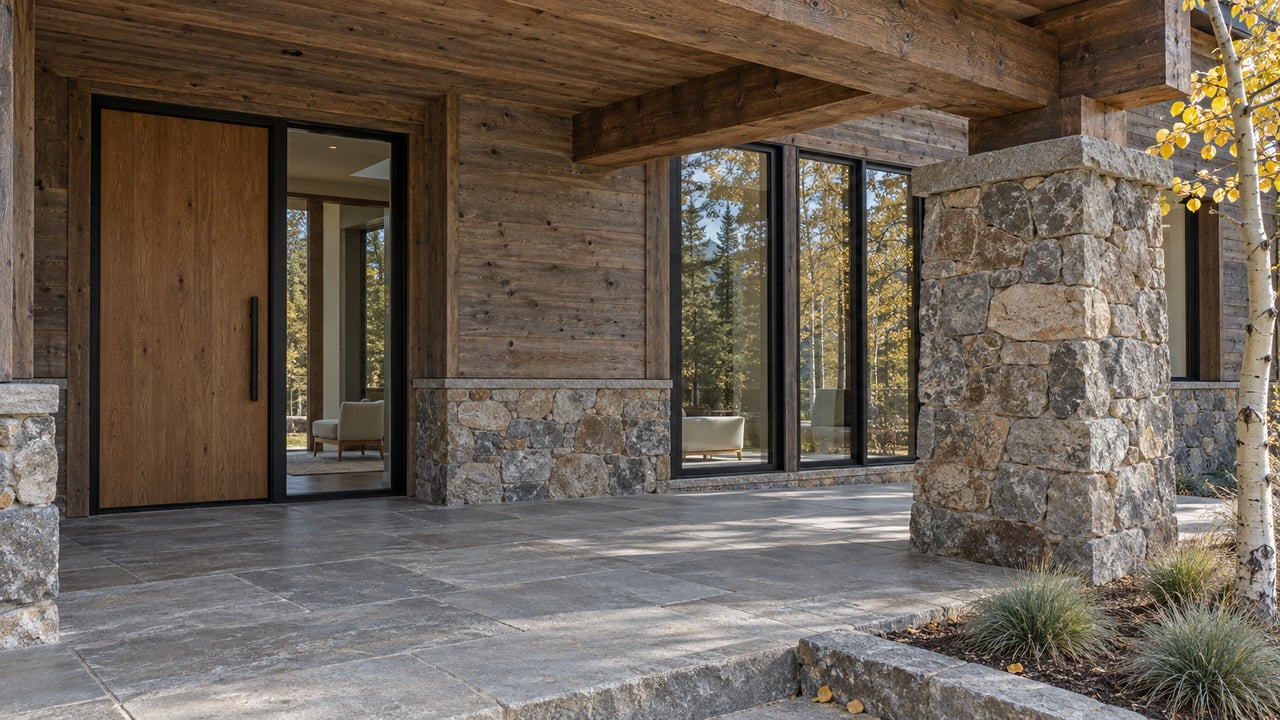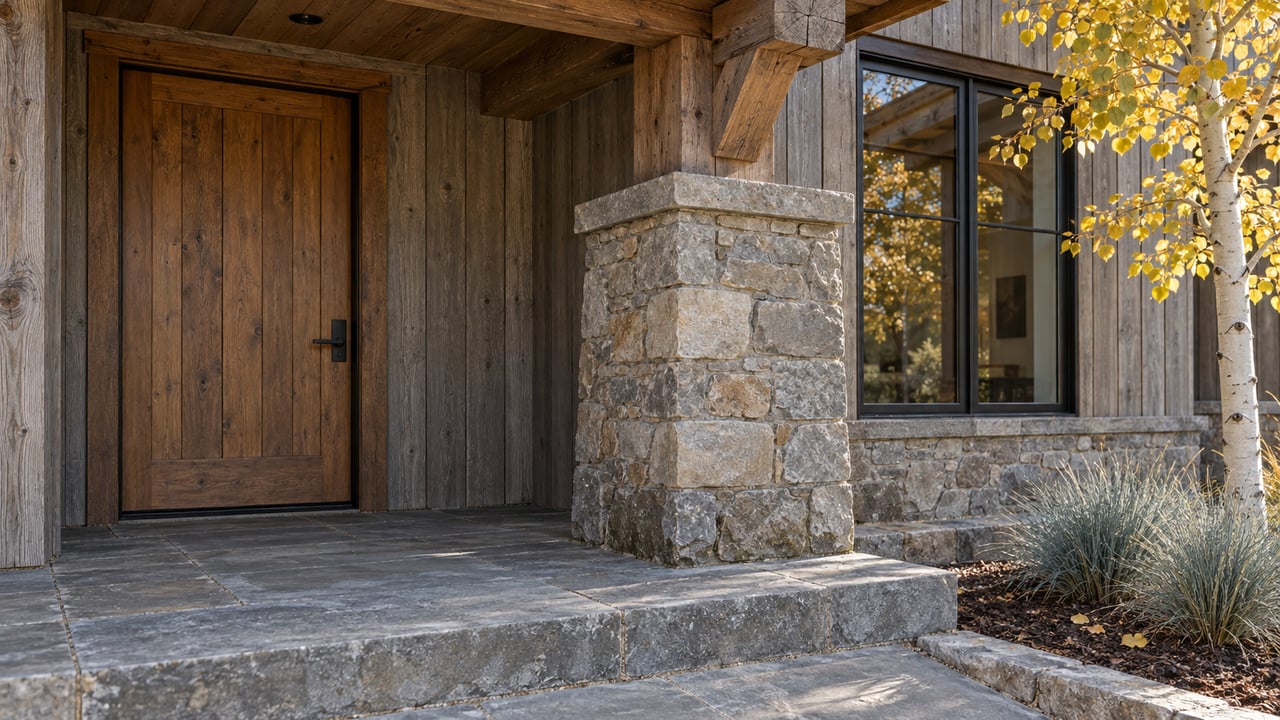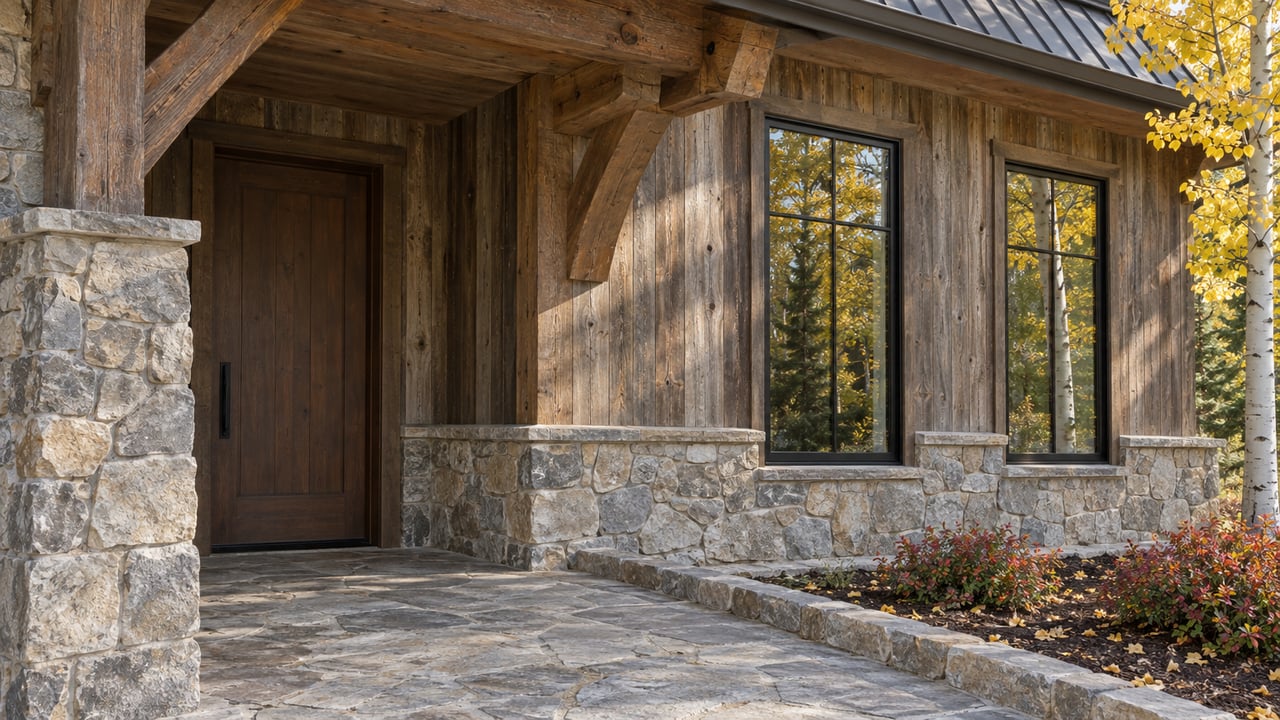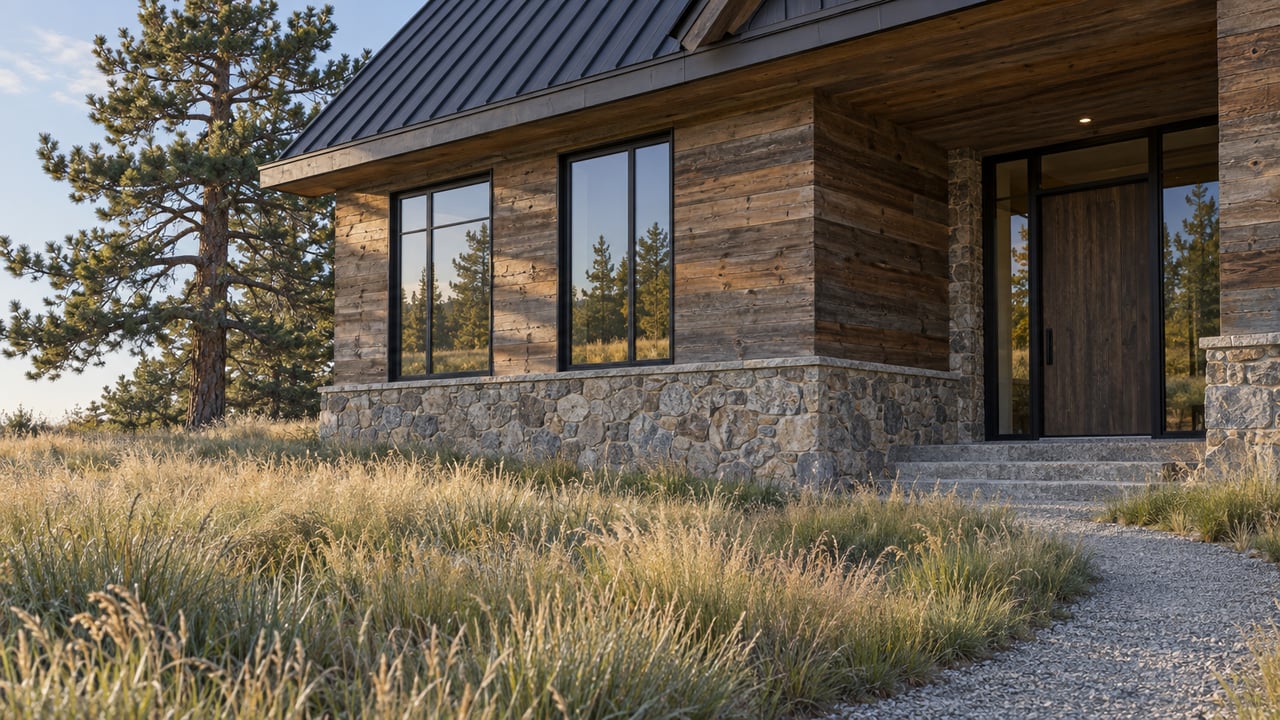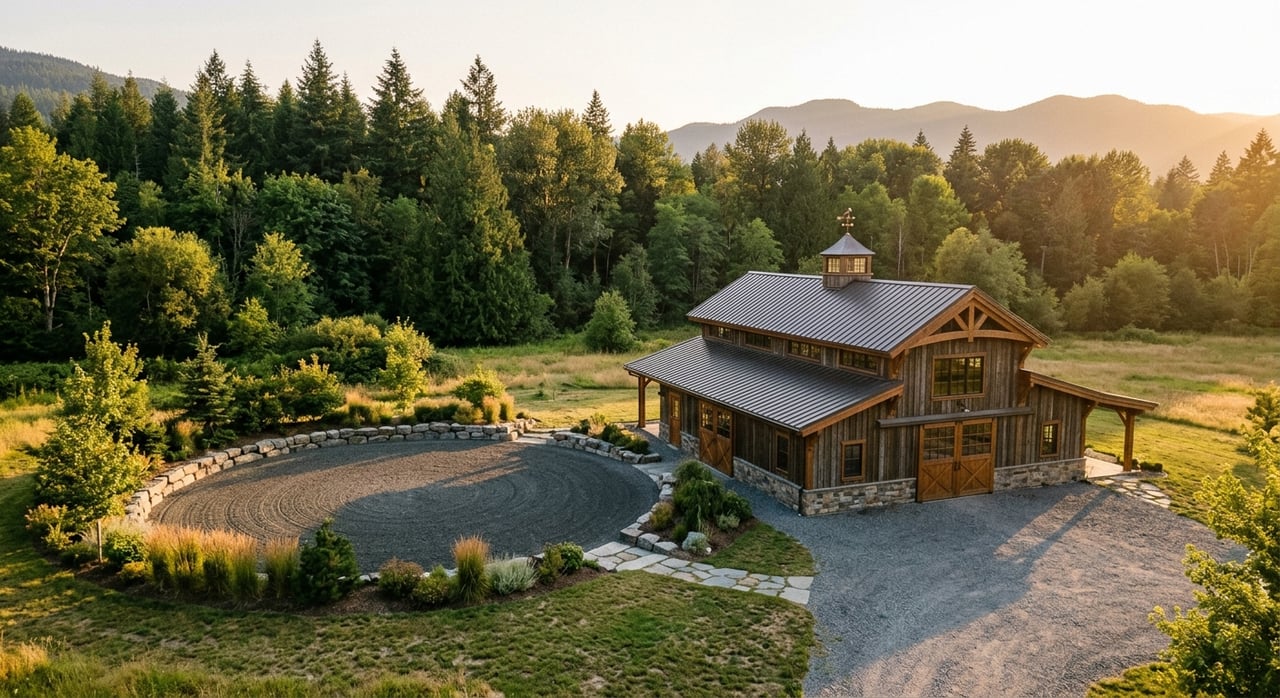
If you are searching for horse property in Bridger Canyon, the view is only the beginning. Equestrian buyers usually look past the ridgelines and privacy first, because a beautiful parcel still has to work for horses, trailers, barns, water, and daily use. This guide walks you through the land features, zoning details, and due diligence items that matter most so you can evaluate Bridger Canyon property with more confidence. Let’s dive in.
Why Bridger Canyon Appeals to Equestrian Buyers
Bridger Canyon attracts buyers who want a more rural setting shaped by open land, recreation, and lower-density development. In Gallatin County, the AE district is intended to protect rural character, agriculture, forestry, and farmland, while the RF district is meant to preserve recreation and forest land from unplanned residential, commercial, and industrial development.
That matters if you are looking for a horse property that feels like horse country. In these districts, the zoning directly recognizes uses tied to rural living. AE allows agriculture, one principal single-family dwelling, one accessory dwelling unit, and accessory buildings. RF allows riding and hiking trails, stables and corrals, grazing, and related accessory uses.
For many buyers, that combination supports the kind of privacy and flexibility they want. It can also make it easier to picture how a parcel might support pasture, barns, hay storage, and turnout areas, provided the site fits the underlying rules.
Start With Parcel Size and Shape
Acreage is usually the first screen for equestrian land in Bridger Canyon. In both AE and RF, the minimum parcel size is 40 acres. That number gives you an early baseline, but it is not the full story.
The real question is how much of that land is usable. A 40-acre parcel with steep terrain, creek buffers, and a narrow building envelope may function very differently from a 40-acre parcel with broad open benches and simpler access.
In RF, parcel width also matters. The minimum parcel width is 660 feet, which can affect how comfortably you place a home, barn, corrals, and driveway without crowding setbacks or limiting trailer circulation.
Check Setbacks Before You Plan Improvements
Setbacks can shape an equestrian property more than many buyers expect. In AE, setbacks are 25 feet from property lines, 125 feet from public road rights-of-way or road easements, and 150 feet from the ordinary high-water mark of a watercourse.
In RF, setbacks are 25 feet from property lines, 125 feet from the centerline of any public road, and 100 feet from any creek. Those distances can reduce the practical building area for structures and horse improvements.
This is where site planning becomes critical. Barns, arenas, manure areas, driveways, and turnout space all compete for the same usable ground. Gallatin County’s zoning guide specifically advises buyers to review setbacks, building heights, density, floor area, accessory structures, permitted uses, and conditional uses before assuming a property can support a desired layout.
Barns and Accessory Structures Matter
If you plan to build for horses, the barn is often one of the first questions. In AE, accessory buildings up to 2,400 square feet are allowed by right. Larger accessory buildings require a conditional use permit.
In RF, stables and corrals are explicitly allowed, which is helpful for buyers comparing horse-oriented parcels. Even so, Gallatin County’s general development standards still apply, so all buildings and structures must meet the required setbacks and height limits.
Building height can also shape your design options. In AE, the maximum building height is 35 feet for steeper roofs and 25 feet for flatter roofs. In RF, the maximum building height is 35 feet.
For buyers considering a barn with hay storage, equipment space, or a combined shop layout, these details can affect both design and entitlement strategy. It is smart to confirm early whether your ideal building size fits by right or may require more review.
Road Access Should Work for Horse Use
Daily horse living is easier when access is simple and practical. Bridger Canyon’s main access roads in the district include Bridger Canyon Road, Kelly Canyon Road, and Jackson Creek Road. For a horse property, road approach and driveway placement can have a direct effect on functionality.
Think about more than just getting to the house. You may need enough space for horse trailers, hay deliveries, equipment movement, and safe turning radiuses in different seasons.
A parcel can look ideal on paper but still create challenges if the building area sits awkwardly behind setbacks or if the driveway alignment limits larger vehicles. For equestrian buyers, access is part of the land’s usefulness, not just a convenience.
Riding Access Adds Real Value
In Bridger Canyon, equestrian value often extends beyond the property lines. The area connects to a broader recreation pattern, and access to horseback riding can be a major part of what buyers want.
Gallatin County’s zoning language offers an important clue here. For guest-ranch uses, the code requires direct access to riding trails or other recreational facilities that reduce off-site automobile travel. That shows how strongly trail access and recreational fit are woven into land-use thinking in this area.
The nearby trail network reinforces that appeal. Battle Ridge Trailhead on Bridger Canyon Road, also known as Highway 86, provides access to a ridgeline trail in the central Bridgers, multiple connector trails, and horseback riding. Other nearby Forest Service trailheads, including Sypes Canyon, Middle Cottonwood, and College M, connect users to the southern end of the Bridger Foothills trail network.
For buyers, the key is to verify the kind of access a parcel truly offers. Public trail proximity, legal easements, and designated access routes can each affect how usable a property feels for riding. Scenic views are valuable, but practical riding access is what often sets one parcel apart from another.
Water and Septic Deserve Early Review
Water questions can be more complex on rural land than many out-of-area buyers expect. Gallatin County Health states that a local wastewater treatment permit is always required before installation, and site evaluations must be completed by a county-registered evaluator or a Montana professional engineer. The current review timeline is about 40 days.
Private wells are a separate issue from septic and from public water systems. Montana DEQ notes that private wells are not regulated under the public water-supply rules. That does not mean water questions are simple.
Montana DNRC states that new uses of water generally require a water right. As of January 1, 2026, users who intend to use a permit exception must file a Notice of Intent before using water from an exempt well. DNRC also notes that combined appropriations can push multi-lot or phased projects beyond the 10 acre-foot limit for the exception.
For equestrian land, these issues deserve attention early in due diligence. If you are thinking about stock water, irrigation, wash racks, ponds, or any shared-well concept, those details should be confirmed before you get too far down the path.
Fencing and Site Layout Still Count
Horse buyers often focus on fencing first, but the broader site layout deserves just as much attention. Gallatin County code includes screening requirements for service, storage, and refuse areas in some contexts, particularly where visibility from residential districts or public streets is a factor.
That may not sound horse-specific, but it highlights an important point. In Bridger Canyon, the way improvements sit on the land can matter almost as much as the improvements themselves.
A thoughtful layout can help preserve views, improve circulation, and keep working areas functional and discreet. For buyers seeking both rural utility and a refined homesite, that balance matters.
Land Use Permits Are a Key Step
One of the most important practical points is that Gallatin County requires Land Use Permits in all zoning districts. The county’s administrative regulation states that no structure can be built or moved, and no structural alteration can begin, without an approved Land Use Permit.
The county also states that it does not issue building permits outside Bozeman and Belgrade. For land buyers, that means zoning and land-use review play an especially important role in the planning process.
This is one reason equestrian buyers benefit from disciplined due diligence. Before you assume a parcel can support your full vision, it is worth confirming what is allowed by right, what may need additional review, and how the site’s physical limits affect the plan.
What Savvy Equestrian Buyers Prioritize
When buyers compare Bridger Canyon land, they usually come back to a short list of practical questions:
- Is the parcel large enough and usable enough for the intended horse setup?
- Do setbacks, creek buffers, and road placement limit the building envelope?
- Can a barn or larger accessory structure be built by right?
- Does the property offer legal, functional riding access?
- Are water, septic, and land-use approvals realistic for the intended use?
- Will trailers, deliveries, and daily operations work smoothly on the site?
In a market like Bridger Canyon, those details help separate a pretty parcel from a truly functional equestrian property. Buyers who understand them early tend to make stronger decisions and avoid expensive surprises later.
If you are weighing Bridger Canyon land for horse use, a technical read on access, siting, and improvement potential can be just as important as the setting itself. For a private consultation on ranch and acreage opportunities in the Bozeman area, connect with Mike Schlauch Platinum Properties.
FAQs
What acreage do equestrian buyers usually look for in Bridger Canyon?
- In AE and RF zoning, 40 acres is the minimum parcel size, but the functional answer depends on usable ground, slope, water, access, and how much land is affected by setbacks.
Can you build a barn on Bridger Canyon land?
- In AE, accessory buildings up to 2,400 square feet are allowed by right, while larger accessory buildings require a conditional use permit; in RF, stables and corrals are explicitly allowed, and all structures must still meet setback and height rules.
Does Bridger Canyon zoning allow a guesthouse or accessory dwelling unit?
- Where allowed, one accessory dwelling unit is permitted per parcel, it may be within the main house or a standalone accessory building, it may not exceed 1,200 square feet, and it may not be rented or sold separately.
What should buyers check about trail access in Bridger Canyon?
- Buyers should confirm whether access is public-trail based or tied to private easements, and whether designated access routes provide legal and usable riding access to the surrounding trail system.
Is water service on Bridger Canyon land the same as a city lot?
- No, rural parcels often rely on private wells and septic systems, and water use may involve separate DNRC water-right considerations in addition to local wastewater permitting.
Do you need permits before building on Bridger Canyon horse property?
- Yes, Gallatin County requires a Land Use Permit in all zoning districts before a structure is built, moved, or structurally altered.