If you are preparing to sell a Bridger Canyon estate, presentation alone is not enough. Discerning buyers want beauty, but they also want clarity about land use, structures, access, and long-term stewardship. When your property is documented well and presented with purpose, you can inspire confidence from the first showing forward. Let’s dive in.
Start With the Land Story
In Bridger Canyon, buyers are not just evaluating a house. They are evaluating how the residence sits on the land, how the parcel functions, and whether the property aligns with the canyon’s rural and scenic character.
That matters because local zoning is designed to preserve farmland, forest land, recreation land, and the visual quality of the canyon. In the Agricultural Exclusive and Recreation and Forestry districts, minimum parcel size is 40 acres, and both districts apply meaningful setbacks and low-profile height standards that reinforce the mountain-rural setting.
Before you market any feature as a value add, confirm the parcel’s exact zoning designation. Gallatin County states that the zoning map kept in the County Clerk and Recorder’s Office is the final authority on current zoning.
Verify Zoning Before You Market
A common seller mistake is assuming the property’s zoning is exactly what it has always been described as. In a rural estate setting, that assumption can create avoidable questions once a serious buyer begins due diligence.
Your first step should be confirming the parcel’s official zoning and reviewing how that zoning affects the home, outbuildings, and any future-use conversations. This is especially important if your marketing mentions guest quarters, a large shop, a barn, or other secondary improvements.
Why zoning details matter
In both AE and RF districts, accessory buildings up to 2,400 square feet are permitted, while larger accessory buildings require conditional-use approval. One accessory dwelling unit is allowed in AE, and understanding how a structure is classified can shape both pricing and buyer expectations.
If your property includes a creek or watercourse, setbacks matter just as much. In both AE and RF, the standard setback is 150 feet from the ordinary high-water mark, with only limited reduction potential through an approved watercourse mitigation plan.
Gather Septic and Well Records Early
In Bridger Canyon, utility records are often central to buyer confidence. A polished brochure may create interest, but complete documentation helps sustain momentum once buyers begin asking practical questions.
Gallatin County guidance says a local wastewater treatment system permit is required before installation, and site evaluations must be completed by a county-registered site evaluator or a Montana-registered professional engineer. The county also notes that a credentialed installer must be on-site during installation.
Outside municipal areas, private wells are common. The Gallatin Local Water Quality District also notes that properties in a Controlled Ground Water Area need a DNRC permit to drill a well.
Records to organize before listing
- Septic permit documents
- Site evaluation records
- Well information and related documentation
- Installer or system records, if available
- Any approvals tied to guest quarters, shops, barns, or detached garages
Having these materials ready can help your property feel cared for, transparent, and easier to evaluate.
Confirm Every Structure Is Properly Documented
On an estate property, outbuildings often carry real value. In some cases, buyers may be as interested in a heated shop, barn, guest quarters, or large detached garage as they are in the primary residence.
That is why each structure should be verified as built, permitted, and properly categorized before the property goes live. If an accessory building exceeds the local threshold, buyers will want to know whether conditional-use approval was required and whether that approval is documented.
What buyers want to understand
When you prepare marketing materials, each major outbuilding should be clearly described with practical facts such as:
- Approximate square footage
- Ceiling height
- Heat source
- Water availability
- Power service
- Approval or permit status
This level of detail reduces uncertainty and supports stronger buyer trust.
Make Wildfire Readiness Visible
In Bridger Canyon, wildfire preparedness is not a minor talking point. It is a core part of how a property is maintained, evaluated, and shown.
Gallatin County states that wildfire risk is present throughout the county and identifies more than 1,000,107 acres as Wildland Urban Interface. The county’s Home Risk Assessment program uses the DNRC Home Risk Assessment form and may connect homeowners with mitigation cost-share funding.
DNRC guidance says embers are the most common ignition source and are estimated to be responsible for more than 90% of homes destroyed by wildfire. That makes visible mitigation work especially important before listing.
Key preparation steps for sellers
- Clear gutters and roof debris
- Remove ladder fuels near structures
- Tidy wood piles and storage areas
- Keep drive access obvious and usable
- Make gates visible and easy to identify
- Screen vents with non-flammable 1/8-inch mesh where appropriate
- Maintain orderly conditions in the immediate area around the home
DNRC divides the Home Ignition Zone into 0 to 5 foot, 5 to 30 foot, and 30 to 100 foot areas. Fuel breaks such as gravel paths or driveways can be useful in the intermediate zone, and an annual assessment can be helpful after mitigation work or major property changes.
Present the Estate as a Stewardship Property
Luxury buyers in Bridger Canyon often respond best to a property that feels intentional, not over-marketed. The strongest listing package shows that the estate has been cared for as both a residence and a piece of land.
That means your presentation should connect architecture, access, utility, and setting. Instead of focusing only on interior rooms, show how the home, outbuildings, approach, and landscape work together.
Visual materials that matter most
For a Bridger Canyon estate, the most persuasive materials often include:
- Aerial photography
- Parcel maps
- A simple site plan
- Labeled images of barns, shops, guest quarters, wells, and drive access
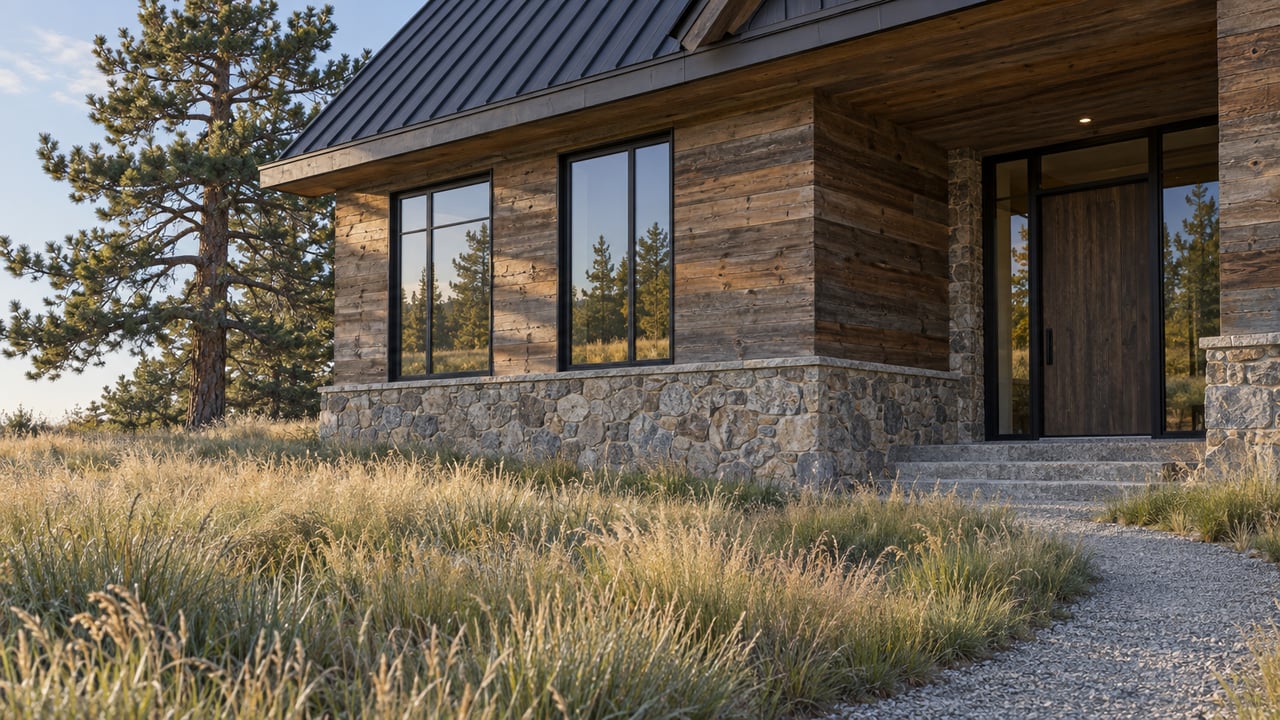
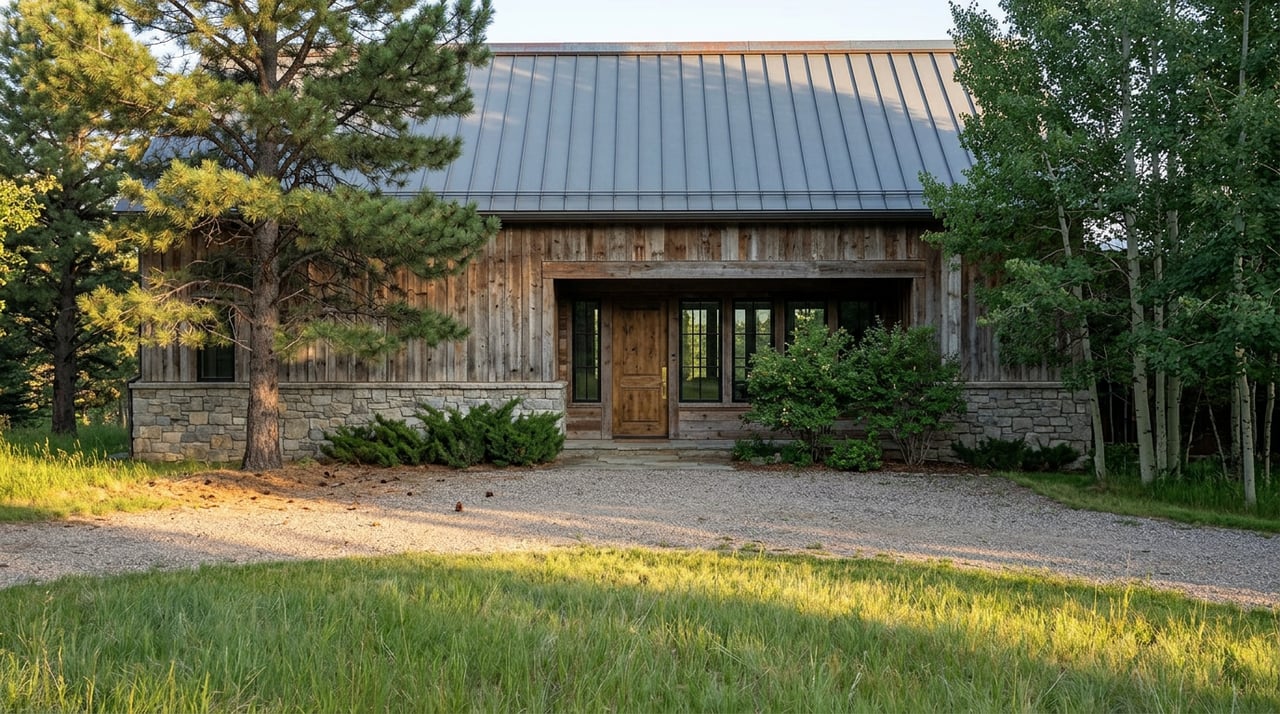
- Exterior photographs that show rooflines, materials, and how the home fits the land
This approach aligns with the canyon’s zoning framework, which emphasizes rural character and scenic quality.
Highlight Craftsmanship With Restraint
In a market like Bridger Canyon, craftsmanship should be shown with precision. Buyers often respond to homes that feel grounded in the landscape rather than oversized or disconnected from it.
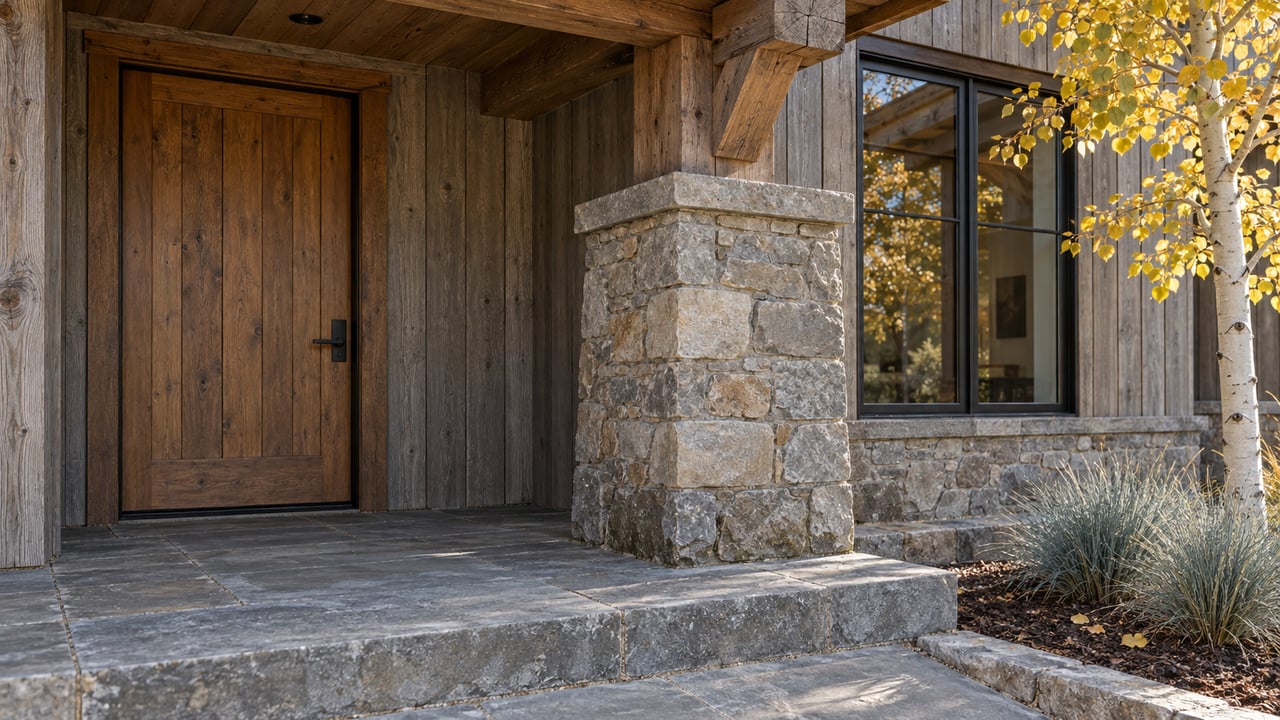
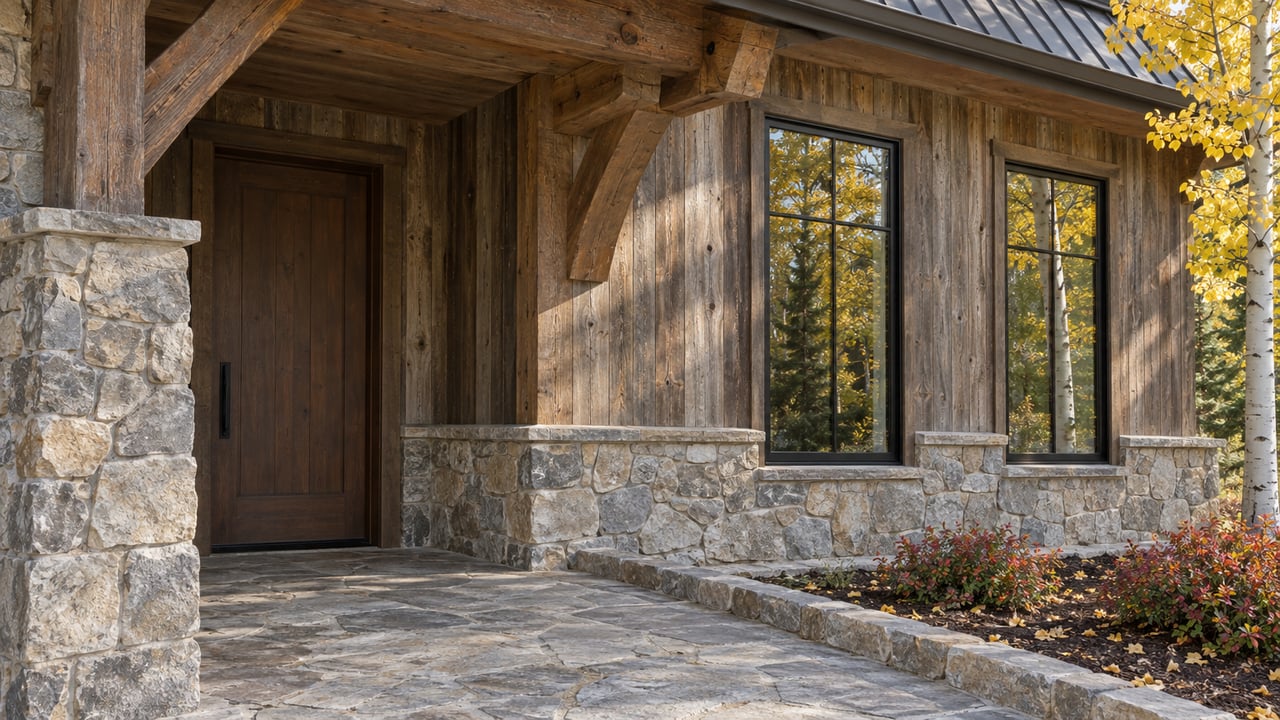
Local regulations reflect that same preference through low building heights and roof-pitch standards. Your marketing should document exterior materials, stone and timber details, rooflines, and custom architectural features that help the residence feel natural within its setting.
A refined presentation can make a strong impression without overstating. Clean photography, thoughtful captions, and accurate property descriptions usually outperform broad claims.
Tell the Recreation Story Clearly
Recreation is a meaningful part of the Bridger Canyon appeal, but it should be described concretely. Buyers appreciate accurate context more than vague lifestyle language.
Bridger Bowl lists its address on Bridger Canyon Road in 59715. Crosscut Mountain Sports Center describes itself as 17 miles north of Bozeman on 500 acres adjacent to Bridger Bowl and the Custer Gallatin National Forest.
This gives you a credible way to frame year-round mountain access as part of the property story. Depending on the estate’s location, buyers may value the connection to skiing, nordic access, biking, and the wider Bridger Range corridor.
Create a Listing Package for Discerning Buyers
Discerning buyers tend to reward preparation. They notice when a seller has taken the time to organize records, clarify structure status, improve site condition, and present the estate with technical confidence.
For many Bridger Canyon properties, the right pre-listing plan is equal parts documentation, risk reduction, and storytelling. When those pieces come together, your home is better positioned to stand out for the right reasons.
A thoughtful strategy can also protect your negotiating position. When buyers see fewer unanswered questions, they can focus more fully on the quality of the land, the craftsmanship of the residence, and the overall opportunity.
If you are considering selling a Bridger Canyon estate, a tailored preparation plan can make a meaningful difference in both presentation and buyer confidence. For private guidance on positioning, documentation, and elevated marketing, schedule a consultation with Mike Schlauch Platinum Properties.
FAQs
What zoning details matter when selling a Bridger Canyon estate?
- Buyers often want confirmation of the parcel’s exact zoning district, minimum parcel standards, structure allowances, setback requirements, and whether the official county map matches the seller’s understanding.
What records should you gather before listing a Bridger Canyon property?
- Start with septic permit documents, site evaluation records, well documentation, and any permits or approvals related to guest quarters, barns, shops, detached garages, or other accessory structures.
Why does wildfire preparation matter for Bridger Canyon sellers?
- Wildfire risk is a major local concern, and buyers may look closely at defensible space, vent screening, access visibility, fuel reduction, and overall site maintenance before they feel comfortable moving forward.
How should outbuildings be presented in a Bridger Canyon listing?
- Each outbuilding should be described with clear facts such as square footage, heat, water, power, ceiling height, and approval status so buyers can understand both function and compliance.
How can recreation be described accurately for a Bridger Canyon estate?
- The safest approach is to use concrete local context, such as the presence of Bridger Bowl on Bridger Canyon Road and Crosscut Mountain Sports Center in the Bridger corridor, rather than making broad or vague claims about access.
What makes a Bridger Canyon estate more appealing to discerning buyers?
- Clear documentation, visible wildfire readiness, accurate structure information, strong visual materials, and a presentation that connects the residence to the land usually create the strongest impression.