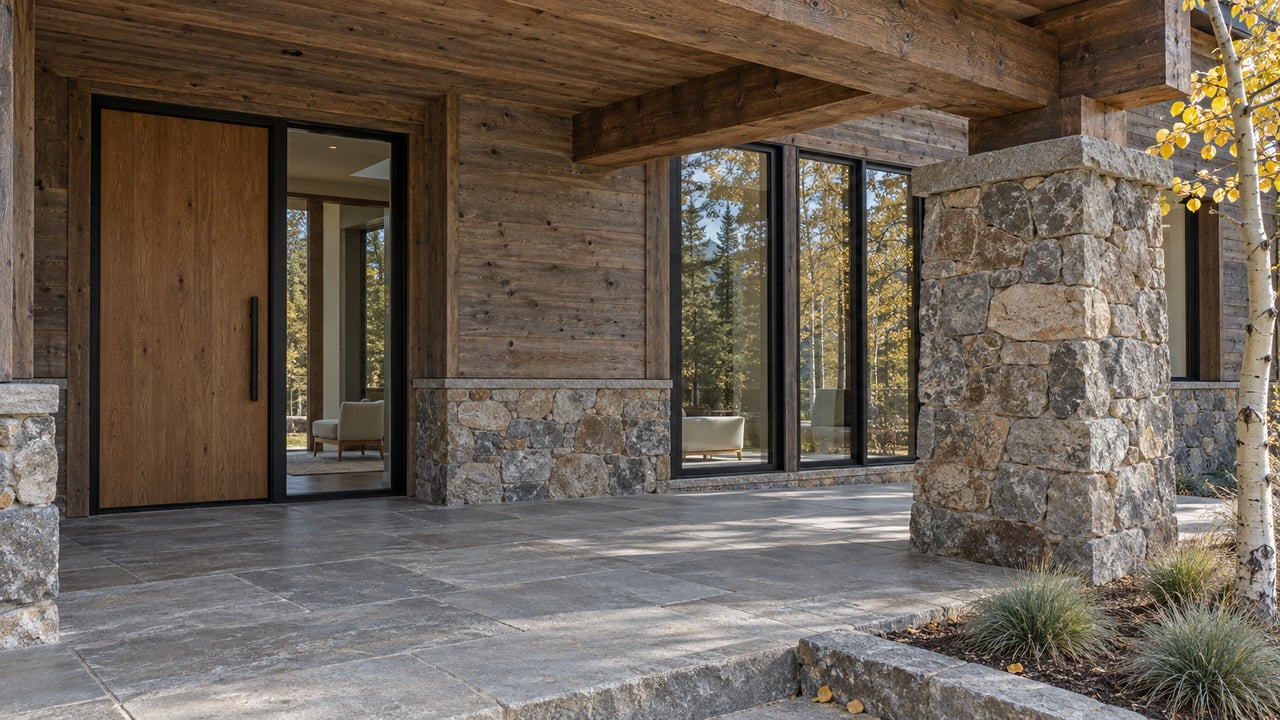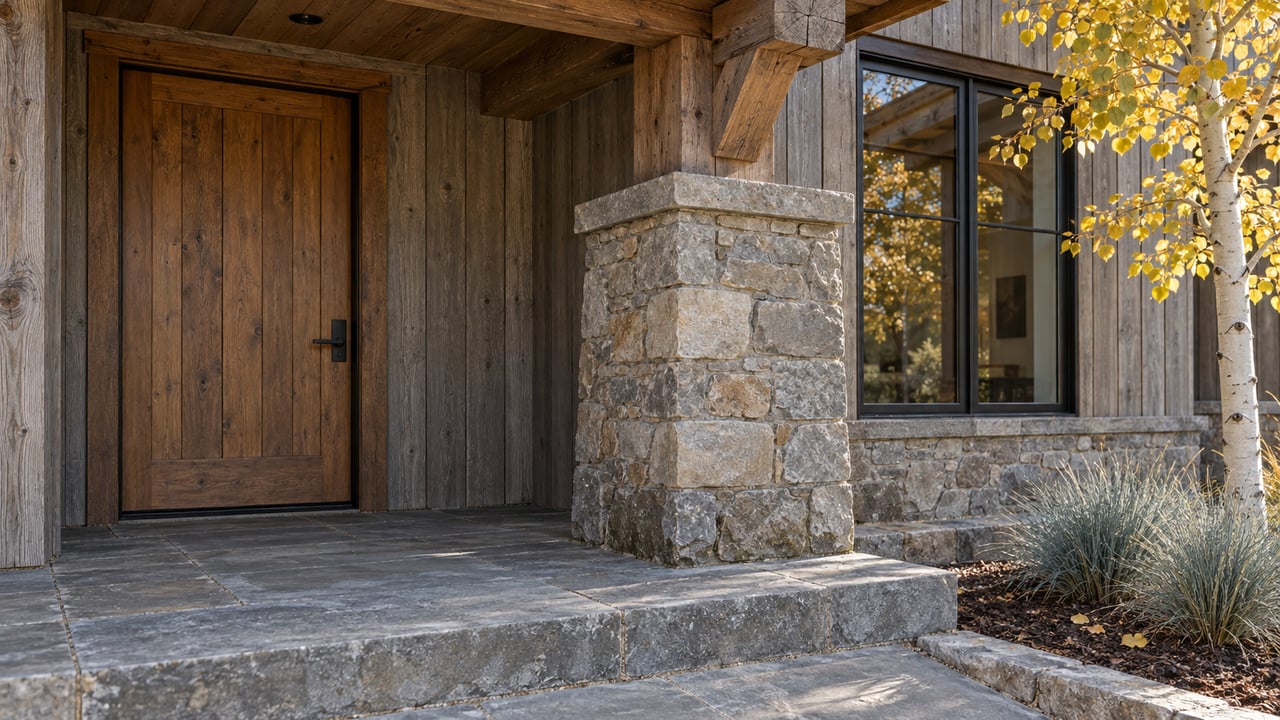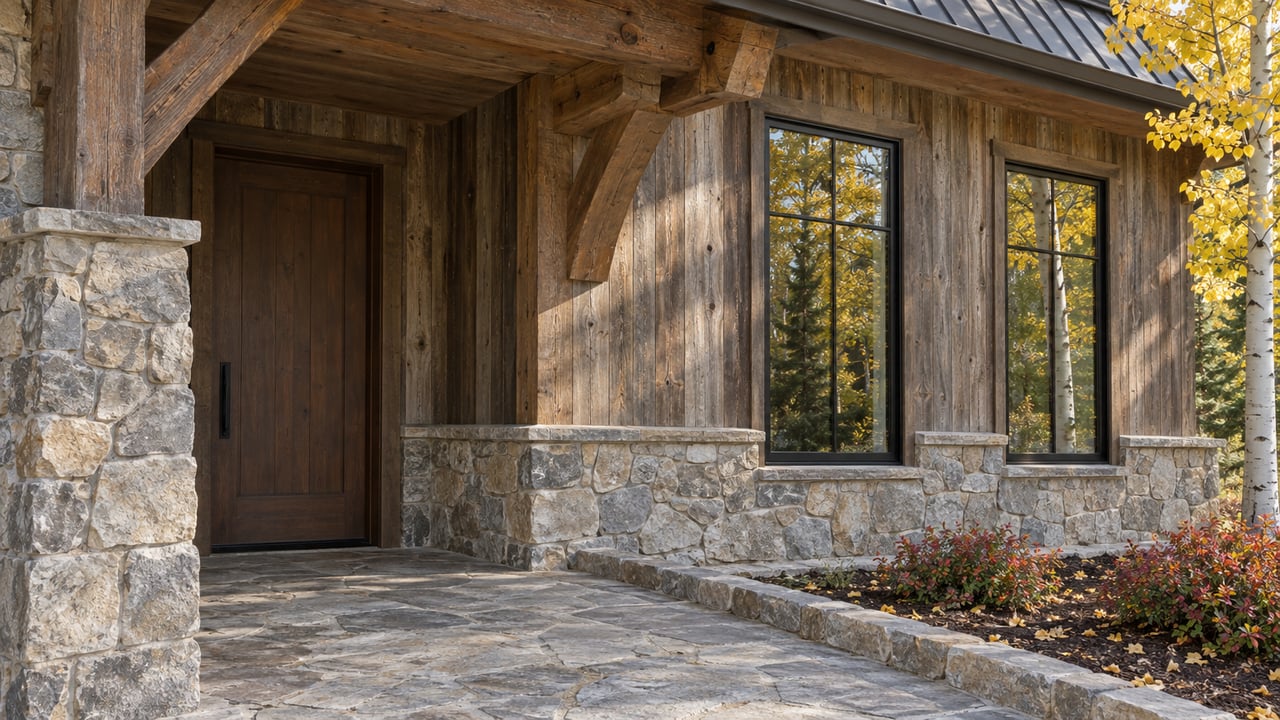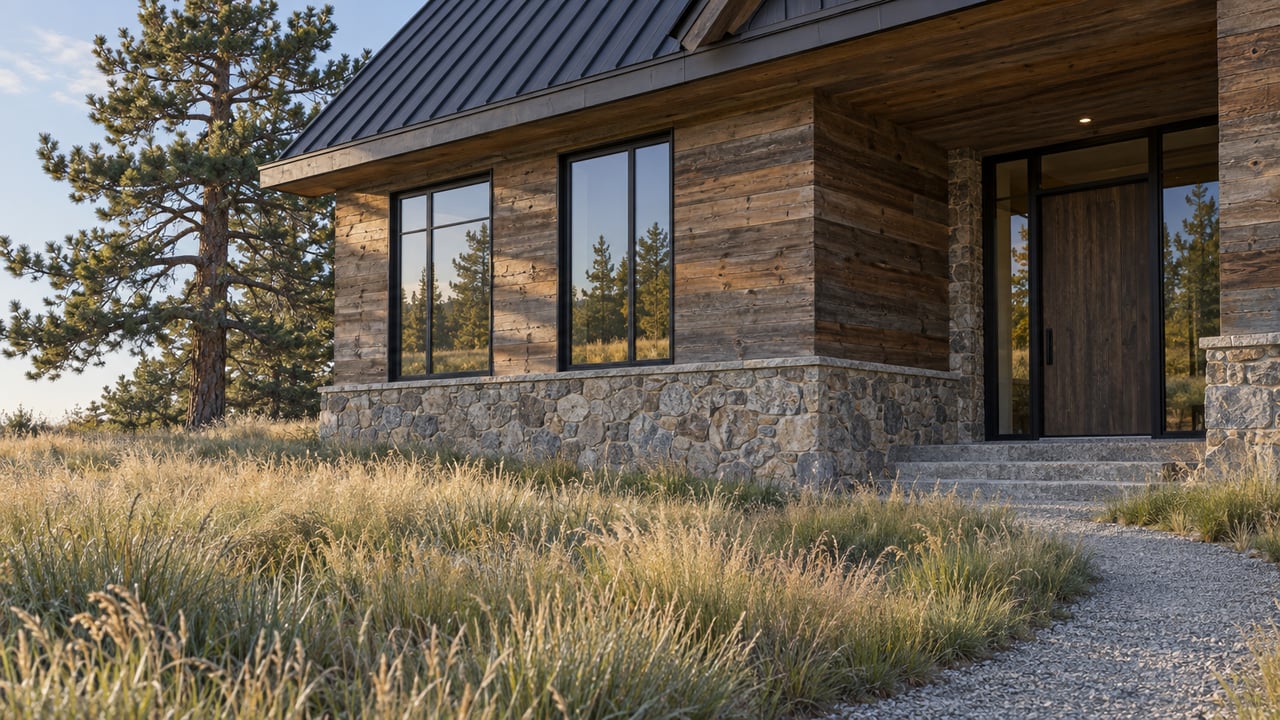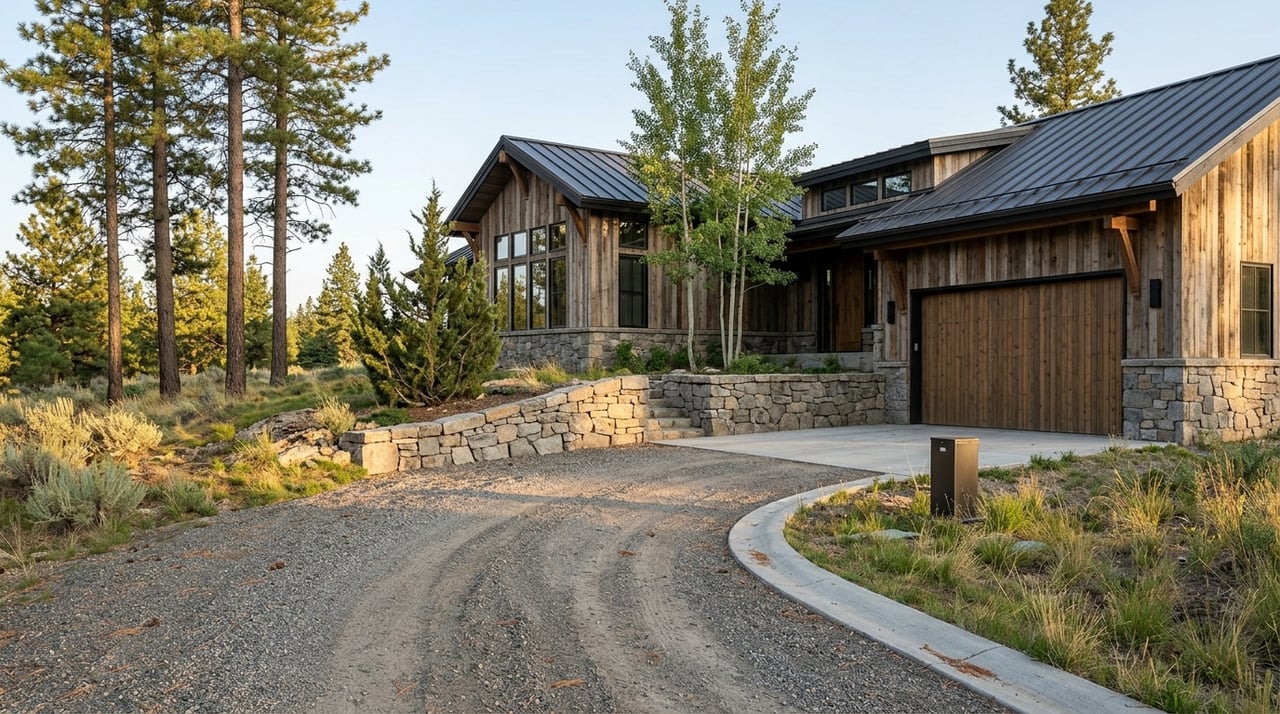
A sweeping mountain view can make a Bridger Canyon lot feel like the perfect Montana purchase. But in this corridor, the most dramatic homesite is not always the most buildable one. If you are thinking about buying a view lot in Bridger Canyon, it helps to understand how zoning, slope, access, water, septic, and wildfire planning can shape what is actually possible before you close. Let’s dive in.
Why Bridger Canyon view lots are unique
Bridger Canyon is not just a scenic drive between Bozeman and the mountains. It is a mixed-use mountain corridor where private homes and ranches sit alongside National Forest land, trailheads, campgrounds, Bridger Bowl, Bohart Ranch, and small streams. That overlap is a big part of the area’s appeal, but it also means development decisions are more layered than buyers often expect.
Gallatin County’s long-standing planning approach in Bridger Canyon has focused on preserving natural resources, open space, agricultural use, and limited controlled growth. In the main AE and RF zoning districts, the minimum parcel size is generally 40 acres unless a planned unit development applies. The general plan states that this 40-acre standard was intended in part to limit population so the capacity of the two-lane Bridger Canyon Road would not be exceeded.
For you as a buyer, that means land value here is tied to more than scenery. A parcel’s legal and physical building envelope matters just as much as its views.
Start with zoning and the official map
Before you fall in love with a lot, confirm the exact zoning district and what the county’s official zoning map shows. Gallatin County notes that the official map in the Clerk and Recorder’s office is the final authority on current zoning.
That step matters because zoning controls key basics such as parcel standards, setbacks, height, and how many principal dwellings may be allowed. In the AE and RF districts, each conforming parcel can have one principal single-family dwelling. For many buyers, that simple rule shapes everything from long-term vision to resale strategy.
Ridgeline rules can change the homesite
One of the biggest surprises for view-lot buyers is how ridgeline protection works in Bridger Canyon. The zoning code defines a Prominent Ridgeline as a ridgeline visible from an arterial road that creates a silhouette with the sky. No part of a building may break that ridge-and-sky silhouette when viewed from an arterial road.
In this district, arterial roads include Bridger Canyon Road, Kelly Canyon Road, and Jackson Creek Road. Existing tree canopy on top of the ridge also counts as part of the ridgeline. So even if a home seems well placed from one angle on the lot, that does not mean it complies from the road corridor below.
This is why a top-of-the-world building pad is not always the best answer. In practice, a slightly lower and more sheltered site can preserve both the view and the feasibility of the build.
Slope often shrinks usable area
Steep ground is part of what creates the dramatic look of a mountain parcel. It can also be the factor that limits where you can place a driveway, foundation, and turnaround area.
In Bridger Canyon zoning, driveways and roads may not be located on cross slopes greater than 30%. Buildings also may not be located on portions of a lot that exceed 30% slope. That means a parcel that looks expansive on paper may offer a much smaller practical building envelope once slope limits are applied.
Historical county planning guidance adds more real-world context. On-site investigation is needed for specific design and construction, erosion control is necessary, snow drifting can be a problem in shaded areas, and sunnier slopes away from winter winds are considered more comfortable locations. At higher elevations, heavy snow loads and wind exposure also remain important design factors.
Setbacks matter more than many buyers expect
A beautiful lot can lose even more usable area once standard setbacks are layered onto the site plan. In the AE and RF districts, buildings must be set back 25 feet from property lines and 125 feet from a public road right-of-way or road easement.
Water features create another major constraint. Buildings must be set back 150 feet from a watercourse ordinary high-water mark unless an approved mitigation plan reduces that setback. Within 100 feet of a watercourse or wetland boundary, native vegetation must be retained, and a Watercourse or Wetlands Mitigation Plan can only be approved through the conditional-use process.
If your ideal lot includes a creek, drainage, or wet area, you will want to understand those limits early. The presence of water may add beauty, but it can also reduce where you can actually build.
Water and septic need parcel-level review
Utilities in mountain settings are rarely something you want to assume. Most homes outside municipal areas in Gallatin County use private wells. If a property is in a water and sewer district, the owner must connect. If it is in a Controlled Ground Water Area, DNRC permitting is required to drill a well, and a well log is not the same thing as a water right.
Septic requires just as much care. Gallatin City-County Environmental Health states that a local wastewater treatment permit is always required before installation. Site evaluations must be completed by a Gallatin County registered site evaluator or a Montana professional engineer, and a Gallatin County registered installer must be on-site during installation.
The department also maintains wastewater permit records and an environmental health interactive map with wastewater permit data, groundwater monitoring data, and other environmental information. For a buyer, that makes it possible to investigate whether a lot has existing records or whether a new system review will be needed.
Access can make or break feasibility
A view lot is only as useful as its access in all seasons. In a mountain corridor that serves residential, recreation, ranch, and ski traffic, driveway geometry and winter operations deserve careful attention.
Gallatin County addressing rules state that a new driveway accessing a county-maintained road requires a Road Access Permit. Unnamed roads serving three or more occupied structures may need a new road name before an address can be assigned, and road signs are required for all named roads in Gallatin County.
Those details may sound minor at first. In reality, they can affect timing, design, and cost. A parcel that appears simple on a map can become more complex once you test the driveway route, grade, plowing plan, and turnaround space.
GIS is a screening tool, not final proof
Gallatin County offers valuable GIS layers for roads, parcels, subdivisions, zoning districts, waterways, fire districts, and more. These tools are useful for early screening and broad due diligence.
But the county also warns that these files are not survey-level accurate and are current only to the date shown in the file name. That means GIS should help you ask better questions, not replace survey work, title review, or field verification.
For high-value land purchases, this distinction matters. A refined due diligence process can protect you from expensive assumptions.
Construction rules affect design choices
Even after you confirm a workable building envelope, design rules still shape what you can create. In the AE and RF districts, the maximum building height is 35 feet for roofs pitched 1:4 or steeper and 25 feet for flatter roofs.
Dwellings must be on permanent foundations. Exterior lighting must be shielded and downward facing, and beacon lights are not permitted. These rules may influence roof form, siting, and how a home fits into the mountain landscape.
For buyers planning a custom home, this is where construction knowledge becomes especially valuable. A strong concept should respond to the lot, not fight it.
Wildfire and winter access are part of value
A timbered view lot can feel private and iconic, but it should also be evaluated through the lens of safety and long-term operating cost. DNRC states that the Home Ignition Zone can extend up to 200 feet around a home, and that removing fuels and hardening the structure can significantly lower ignition risk. DNRC also offers a free Home Wildfire Risk Assessment.
Fire service context matters too. Bridger Canyon Fire Department has served the canyon and Brackett Creek since 1978, with a primary station at mile marker 8 on Bridger Canyon Road and a district of more than 650 homes. That makes response distance, driveway design, and winter access part of the overall ownership picture.
In other words, the best lot is not always the one with the widest panorama. It is often the one that balances view, defensibility, access, and practical build cost.
Questions to answer before you make an offer
If you are serious about a Bridger Canyon view lot, focus on the questions that most directly affect feasibility and value:
- What is the exact zoning district, and what does the county’s official map show?
- Does the proposed homesite avoid ridgeline, slope, road, and watercourse constraints?
- Will the parcel rely on a private well, district water, or another water-use path?
- Is there an existing septic record, or will a new site evaluation and permit be required?
- Does access require a county Road Access Permit, road naming, or a more engineered driveway design?
- What should you budget for wildfire mitigation, snow removal, and year-round access?
These are not just technical questions. They are the questions that help you understand whether a parcel supports your vision and protects your investment.
A smart buying strategy for Bridger Canyon
In Bridger Canyon, the lot with the best photo is not always the lot with the best outcome. Ridge-silhouette rules, slope limits, setbacks, water, septic, access, and wildfire exposure can all reduce the practical build envelope before architecture even begins.
That is why disciplined due diligence matters so much here. When you pair local market knowledge with construction-minded review, you can evaluate a parcel for what it truly is, not just what it appears to be from the road.
If you are considering a view lot in Bridger Canyon and want a more technical, property-specific perspective, Mike Schlauch Platinum Properties can help you evaluate land with the benefit of deep local knowledge and construction-informed insight.
FAQs
What makes a Bridger Canyon view lot different from other land near Bozeman?
- Bridger Canyon lots are shaped by a combination of mountain topography, ridgeline visibility rules, slope limits, watercourse setbacks, and access constraints in a narrow corridor with residential and recreation traffic.
What should you verify first when buying a view lot in Bridger Canyon?
- You should confirm the exact zoning district and review what the county’s official zoning map shows before assuming how or where you can build.
Can you build on steep ground in Bridger Canyon?
- Buildings may not be located on portions of a lot that exceed 30% slope, and driveways and roads may not be located on cross slopes greater than 30%.
How do water and septic work for Bridger Canyon lots?
- Many lots outside municipal areas rely on private wells and septic systems, but buyers should verify whether district service, DNRC well permitting, existing septic records, or new local permitting requirements apply to the specific parcel.
Why is driveway access such a big issue for Bridger Canyon land?
- Access affects permitting, safety, winter usability, and construction feasibility, and a new driveway to a county-maintained road requires a Road Access Permit.
How should you evaluate wildfire risk on a Bridger Canyon homesite?
- You should look at defensible space, vegetation around the proposed home, structure-hardening needs, and year-round emergency access, especially on timbered lots.